
Suite 3, Ground Floor, The Gateway,
312 St Kilda Road, Southbank, VIC, 3006



Shoulder Pain
The shoulder joint (glenohumeral joint) is a ball and socket joint. It has a large ball (humeral head) and a shallow socket (glenoid). This biomechanical setup allows for great mobility, but it also increases the risk of injuries like dislocations and subluxations.
- Shoulder dislocation / subluxation
- Rotator Cuff injury
- Shoulder instability
Shoulder dislocation/subluxation
Shoulder dislocations typically occur due to high-impact forces. However, in rare cases, they may happen spontaneously in individuals with naturally lax ligaments.
After a subluxation, symptoms often include pain, swelling, and a feeling of instability. A dislocated shoulder usually needs immediate medical reduction (relocation of the joint). After that, the joint may be immobilised in a brace or sling to support healing.
Importantly, rehabilitation with a sports physiotherapist is essential to prevent repeat injuries. In some situations, surgery might be necessary. Your physiotherapist and doctor will guide you based on your condition.
Rotator Cuff Injury
The shoulder relies on a group of muscles known as the rotator cuff. These muscles support and stabilise the ball-and-socket joint. Injuries like muscle strains or rotator cuff tears can result from trauma (e.g. during contact sports) or develop gradually over time.
You may experience pain and weakness while lifting or using your arm. Fortunately, physiotherapy helps reduce pain and offers a structured rehabilitation and strengthening program to support recovery.
Shoulder instability
Shoulder instability often affects people involved in overhead or loaded activities. Athletes in throwing sports, racket games, gymnastics, circus performance, or dance are especially at risk.
This condition may develop over time or follow a shoulder dislocation or subluxation. Common signs include pain, a sense of apprehension, or the shoulder feeling like it’s “popping out.”
Physiotherapy plays a key role here. Treatment includes soft tissue and joint mobilisation, taping, and specific exercises. These focus on correcting the shoulder blade position and building shoulder strength. Additionally, your physiotherapist can assess your technique and collaborate with your coach for long-term improvement.
Related Treatments
Related Practitioners

Sam Yeung (she/her)
Physiotherapist - Doctor of Physiotherapy - Macquarie University. Bachelor of Exercise Physiology - University of New South Wales
Elliot Meers (he/him)
Titled Physiotherapist - APAM
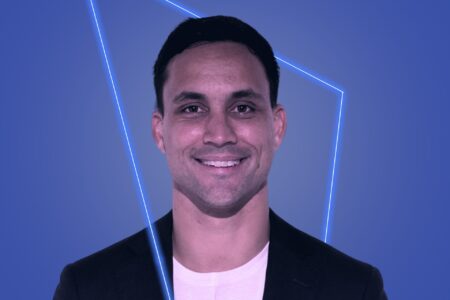
Corbin Dickfos (he/him)
Titled Physiotherapist - APAM

Rhea Torres (she/her)
Physiotherapist - DPT. BNSc. BSc.
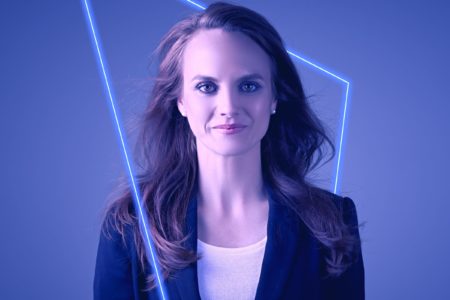
Annie Strauch (she/her)
Managing Director - Titled Physiotherapist - MACP

Elise McMahon (she/her)
Titled Physiotherapist - B.Physio (Hons), MSportsExPhysio
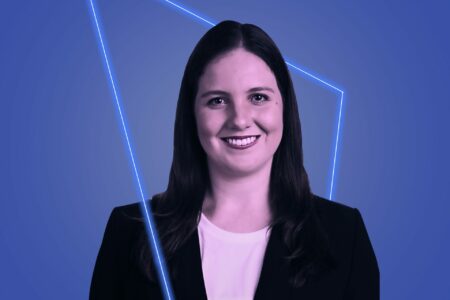
Elissa Petesic (she/her)
Senior Physiotherapist - APAM
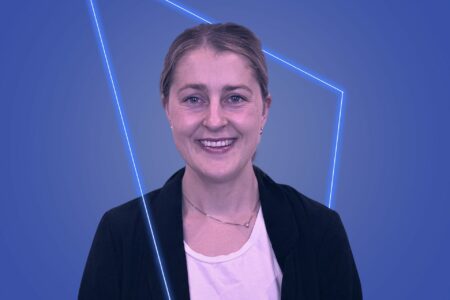
Emily McLean (she/her)
Titled Physiotherapist - B.Physio Adv. (Hons), Masters of Sport Physio
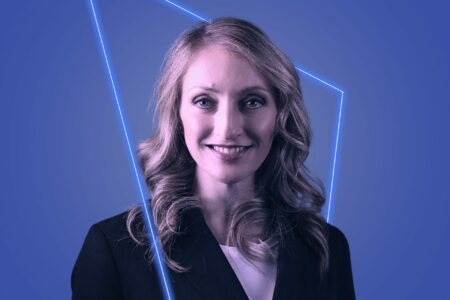
Maria Anagnostou (she/her)
Director - Gadigal - Titled Physiotherapist, MACP
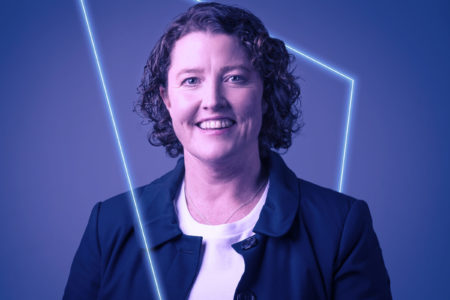
Chris Minto (she/her)
Senior Physiotherapist
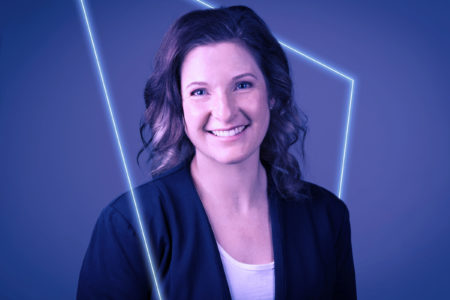
Dr Brea Kunstler
Physiotherapist & Run Coach
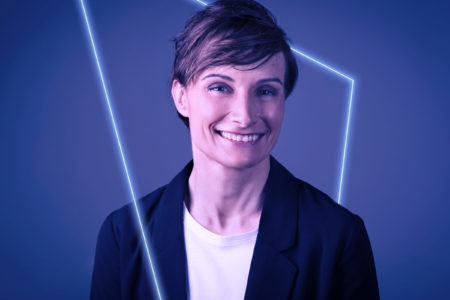
Polly Dhar (she/her)
Senior Physiotherapist - Arts Compliance & Insurance Lead - APAM

Nicole Reynolds (she/her)
Senior Physiotherapist - APAM

Dr Kathy Yu (she/her)
Sports Doctor - M.B.B.S.

Stacey Kipouridis (she/her)
Physiotherapist - APAM

Catherine Etty-Leal (she/her)
Clinical Director Narrm - Titled Physiotherapist, MACP
Performance Medicine