Suite 3, Ground Floor, The Gateway,
312 St Kilda Road, Southbank, VIC, 3006



Lower Back Bone Stress Injuries: What to Watch Out for if You Are a Young Dancer or Gymnast
By Elise McMahon
What Is a Bone Stress Injury?
A bone stress injury (BSI) occurs when bones are used repeatedly under high force without enough time to rest and recover. In musculoskeletal physiotherapy, BSIs are commonly seen when the body is pushed beyond its ability to adapt.
A BSI does not happen suddenly. Instead, it develops gradually over time. In the early stages, the bone may swell. This can then progress into a stress reaction, where the bone becomes weaker and develops small cracks. If the stress continues, these cracks can worsen, eventually leading to a fracture. Ouch!
Some people are at a higher risk of developing a BSI. This includes young athletes who:
- Train frequently with minimal rest, especially when approaching competition day
- Have experienced a recent growth spurt
- Have lost a significant amount of weight, leading to reduced bone strength
Early diagnosis and treatment are extremely important. Without proper physiotherapy treatment, a bone stress injury can worsen, resulting in longer recovery times and more time away from sport or dance.
Where Do Bone Stress Injuries Commonly Occur?
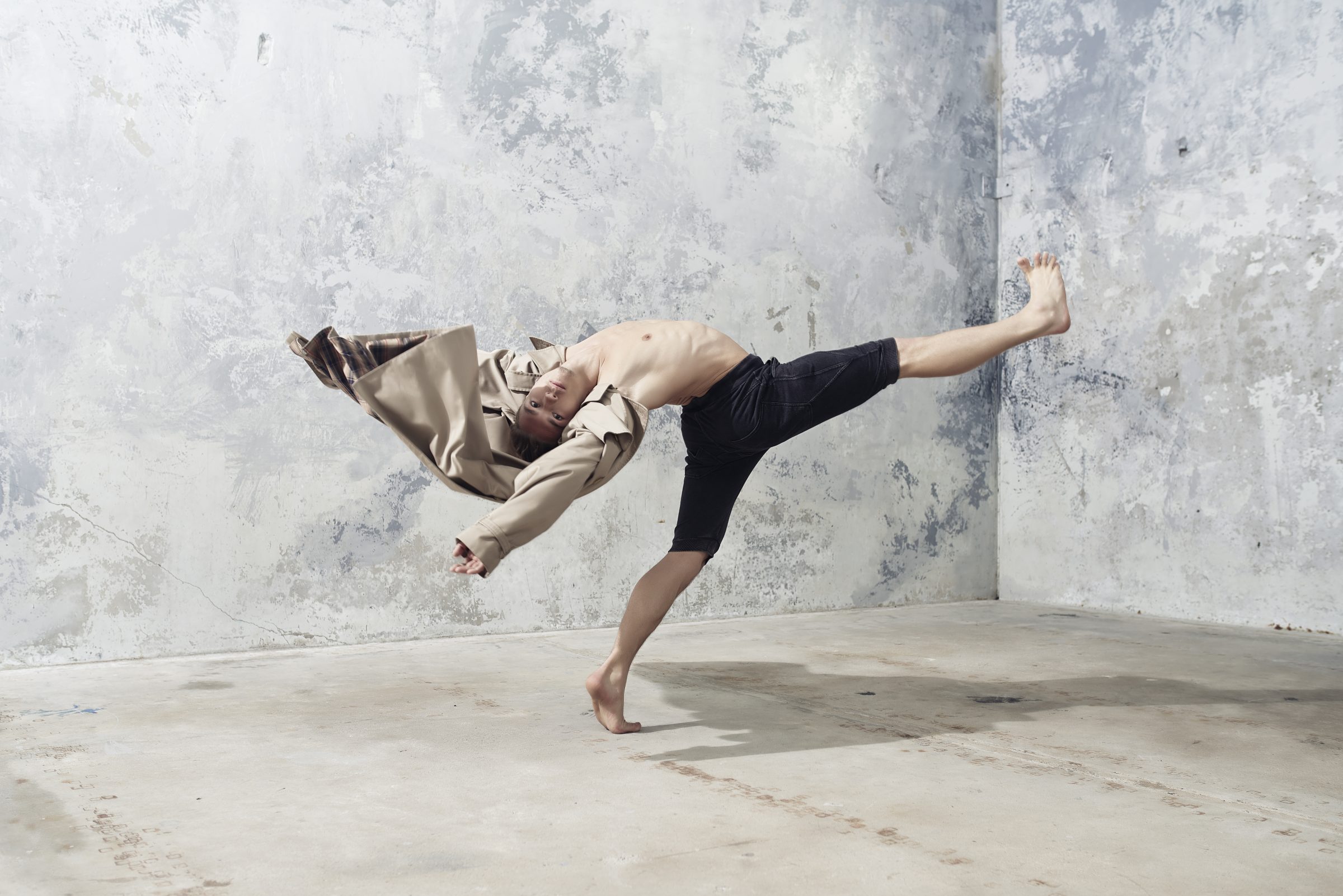
Bone stress injuries often occur in the lower back in gymnasts and dancers. This is because dance physiotherapy and sports physiotherapy commonly treat athletes who perform repeated, high-force movements that place the spine into extreme positions, such as backflips, extensions, and leaps.
In runners, BSIs are more likely to occur in the foot bones or the large bone in the lower leg, known as the tibia. These areas are frequently treated within sports medicine physiotherapy due to repetitive impact and loading.
How Do We Know If It’s a Bone Stress Injury?
If you have a bone stress injury in your lower back, you may notice:
- Localised lower back pain in a specific spot
- Pain that worsens with movement and improves with rest
- Increased pain when bending backwards or sideways
- Muscle tightness or spasms around the affected area
These symptoms are commonly assessed during physiotherapy consultations, particularly in young dancers and gymnasts.
How Do We Check for a Bone Stress Injury?
Your physiotherapist will begin by asking detailed questions about your pain, training load, and recent activities. They will assess your back, hips, and movement technique, especially during actions that reproduce your symptoms.
X-rays may sometimes be used to check for bone stress injuries. However, they often miss early-stage BSIs. MRI scans provide more detailed images and are far more effective at identifying early bone stress changes. This allows for earlier intervention and better outcomes.
How Do We Treat a Bone Stress Injury?
The most important part of BSI treatment is rest. Activities that cause pain must be reduced or stopped to allow the bone to heal properly.
Once the bone has recovered, physiotherapy-led strength and conditioning begins. This focuses on:
- Strengthening the muscles around the injured area
- Improving movement control and technique
- Gradually returning to sport or dance safely
If training volume, poor technique, or workload management contributed to the injury, your physiotherapist, doctor, and coach will work together to address these factors and help prevent future injuries.
When to Seek Physiotherapy Support
If you think you may have a bone stress injury, or feel you are at risk, early assessment is key. Our physiotherapy team has experience in dance physiotherapy, sports physiotherapy, and musculoskeletal physiotherapy, and we support young athletes across a wide range of areas we treat.
Book an appointment with us today, and we’ll help you recover safely and get back to doing what you love-stronger and healthier.
Categories :
Performance Medicine