
Suite 3, Ground Floor, The Gateway,
312 St Kilda Road, Southbank, VIC, 3006



Pregnancy Injuries
- Carpal Tunnel syndrome
- Pelvic Girdle Pain
- SIJ instability
- Lower limb swelling
Carpal Tunnel Syndrome
Carpal Tunnel Syndrome is a common condition during pregnancy, caused by swelling in the wrists that compresses the median nerve. This can lead to symptoms like numbness, tingling, or weakness in the hands and fingers. It is often worse at night or when using the hands repetitively.
Treatment involves physiotherapy techniques such as nerve gliding exercises, wrist splinting, and manual therapy. In some cases, adjusting your hand positions during daily tasks can also reduce pressure on the nerve. Early intervention can help prevent worsening symptoms and support hand function throughout pregnancy.
Pelvic Girdle Pain
Pelvic girdle pain affects the pelvic and groin region, and it is commonly linked to pregnancy. Activities such as walking, climbing stairs, and sitting with crossed legs often worsen the pain. Physiotherapy may include manual therapy, the use of belts or braces, and targeted exercises to strengthen the muscles around your pelvis. In addition, posture training and mobility work may also be incorporated to manage discomfort during daily activities.
SIJ Instability
During pregnancy, your pelvis naturally widens to support your growing baby. As a result, extra strain is placed on the sacroiliac joints (SIJs), which connect the pelvic bones to the sacrum. This strain can lead to lower back pain, which may also radiate down the backs of the legs. Single-leg activities like lunges or lying on your back can worsen symptoms. To manage SIJ instability, physiotherapists recommend strengthening the muscles around the pelvis and using an SIJ belt for support. At Performance Medicine, the Ingrig Mitton belt is recommended and can be fitted to you appropriately.
Lower Limb Swelling
During pregnancy, your blood volume may increase by 30–50% to support your baby’s development. This increase adds more fluid to your body, which often pools in the lower limbs, especially as the baby grows and pressure increases.
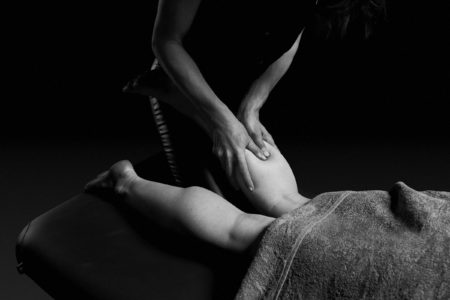
To treat lower limb swelling, pregnancy massage or myotherapy can help redirect fluid back to the thorax. These therapies aim to reduce swelling and ease discomfort effectively. Regular movement, gentle exercise, and elevation of the legs can also support healthy circulation.
Related Practitioners

Luca Negri (he/him)
Myo/Remedial/Exercise Science

Sam Yeung (she/her)
Physiotherapist - Doctor of Physiotherapy - Macquarie University. Bachelor of Exercise Physiology - University of New South Wales

Elliot Meers (he/him)
Senior Physiotherapist - APAM

Corbin Dickfos (he/him)
Principal Physiotherapist - APAM

Rhea Torres (she/her)
Physiotherapist - DPT. BNSc. BSc.

Annie Strauch (she/her)
Managing Director - Titled Physiotherapist - MACP

Elissa Petesic (she/her)
Senior Physiotherapist - APAM

Emily McLean (she/her)
Titled Physiotherapist - B.Physio Adv. (Hons), Masters of Sport Physio

Maria Anagnostou (she/her)
Director - Gadigal - Titled Physiotherapist, MACP

Chris Minto (she/her)
Senior Physiotherapist

Dr Brea Kunstler
Physiotherapist & Run Coach

Polly Dhar (she/her)
Senior Physiotherapist - Arts Compliance & Insurance Lead - APAM

Nicole Reynolds (she/her)
Senior Physiotherapist - APAM

Stacey Kipouridis (she/her)
Physiotherapist - APAM

Catherine Etty-Leal (she/her)
Clinical Director Narrm - Titled Physiotherapist, MACP
Related Blog Posts
Performance Medicine