Suite 3, Ground Floor, The Gateway,
312 St Kilda Road, Southbank, VIC, 3006



Which Sport Is Safest for My Child?
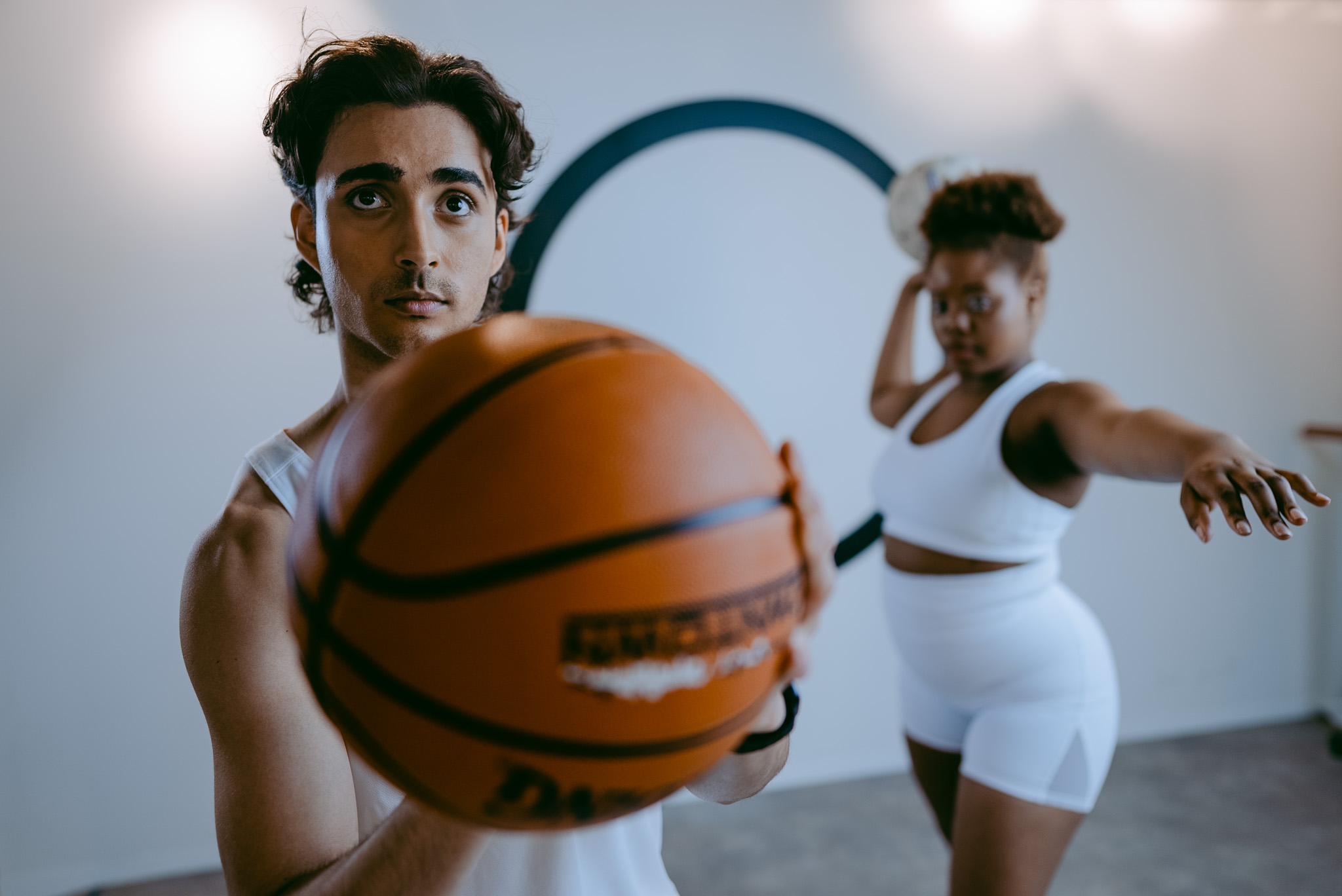
As a physiotherapist, we have a strong understanding of the importance of safety in sports participation for children. When considering which sport is safest for your child, several factors come into play. These include the risk of injury, the level of physical contact involved, your child’s age and developmental stage, and the quality of coaching and supervision.
Generally, sports that involve minimal physical contact and have lower injury rates are considered the safest options for children.
Below are some examples of sports that are commonly regarded as safe for kids.
1. Swimming
Swimming is often recommended as one of the safest sports for children. It is low-impact and has a much lower risk of injury compared to many other sports. Among the most popular sports, swimming has one of the lowest injury rates at only 0.19 injuries per 1,000 hours of participation.
In addition to being safe, swimming teaches children important water safety and survival skills. This is particularly important for children who enjoy swimming on holidays or in backyard pools.
2. Track and Field
Track and field events such as running, long jump and high jump can be excellent options for children. These activities promote cardiovascular fitness and coordination without a high risk of collision or contact injuries.
Injury rates for track and field sit at around 0.84 injuries per 1,000 hours of participation. Many schools include these activities as part of their athletics day schedule, meaning most children already have some exposure to them.
3. Gymnastics
Gymnastics requires strength, flexibility and coordination. When taught by qualified instructors in properly equipped facilities, it can be a safe sport for children.
While injuries can occur, statistics show the overall risk remains relatively low at around 1.8 injuries per 1,000 hours of participation. There are also many beginner and fun-focused gymnastics classes available, making it accessible and enjoyable even for younger children who are just starting out.
4. Tennis
Tennis is a non-contact sport that helps children develop hand–eye coordination, agility and cardiovascular fitness. It is also a great sport for building independence and confidence in a competitive setting.
Tennis carries a relatively low injury risk, with rates around 0.9–1.5 injuries per 1,000 hours of participation. Many children are exposed to tennis through television coverage and major events such as the Australian Open, which can spark interest in trying the sport at local courts.
5. Soccer
Soccer is a fantastic team sport that allows children to participate from a very early age. With relatively low levels of contact, it also has a low risk of injury, sitting at approximately 0.51–1.0 injuries per 1,000 hours.
Soccer can be a safer option for children who want to try football-style sports but are not yet ready for the higher-contact nature of AFL or Rugby.
Performance Medicine’s Pick: Dance

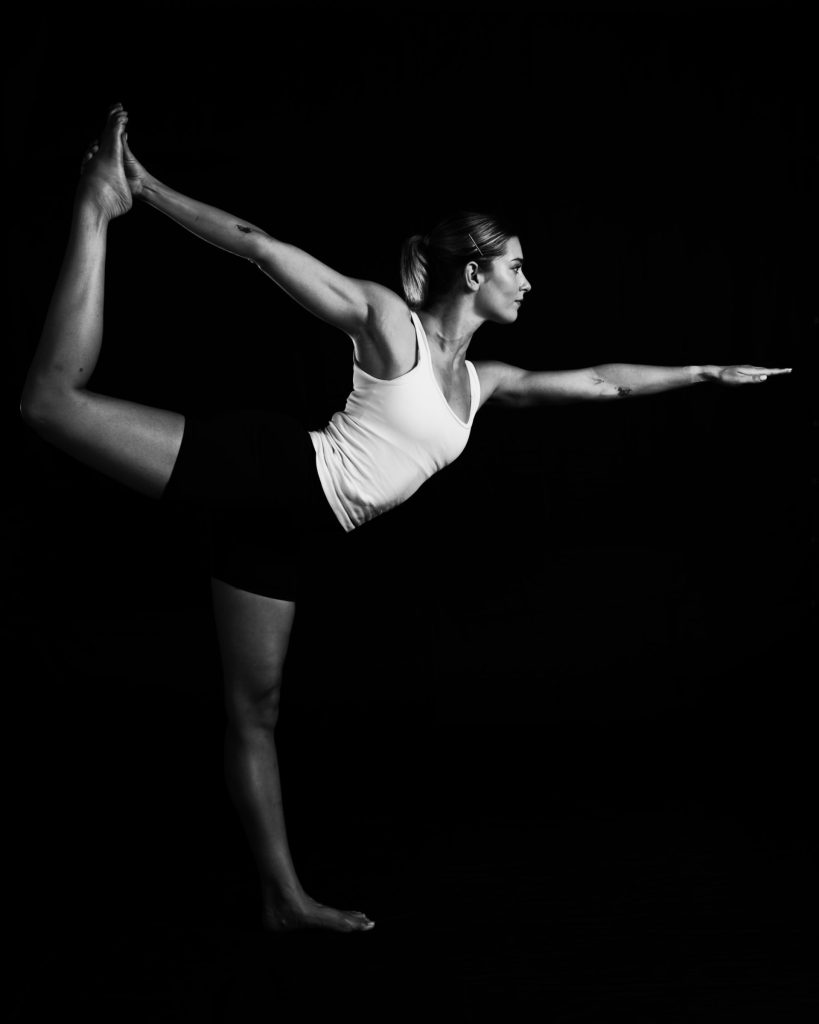
At Performance Medicine, we may be biased – but we love dance. Dance is an exceptional way to get the body moving and comes with a relatively low risk of injury, with rates of only 0.7–2.7 injuries per 1,000 hours of participation.
Dance is also highly enjoyable and has the added benefit of being something children can do almost anywhere, at any time.
How Do Other Popular Sports Compare?
Other popular sports have notably higher injury rates. For example, netball and basketball rank at around 14 injuries per 1,000 hours, while rugby reports between 27–35 injuries per 1,000 hours.
Dynamic court sports involve frequent changes in direction, increasing the risk of falls, awkward landings, strains and player contact. Contact field sports carry similar risks, with an additional likelihood of injuries from collisions or direct impact with other players.
Martial arts such as judo and karate are excellent for building confidence, discipline and technical skills. When taught in controlled environments with a strong emphasis on technique and safety, they are considered safe. However, statistics show that as skill level and contact participation increase, so does injury risk, with rates ranging from 41–100 injuries per 1,000 hours.
How Can Physiotherapy Help Keep Kids Safe in Sport?
Physiotherapists at Performance Medicine can play an important role in helping keep children safe during sport. This includes providing injury prevention exercises and rehabilitation techniques tailored to your child’s individual needs and chosen sport.
Support may include:
- Developing an appropriate warm-up routine
- Teaching safe movement strategies during sport
- Ensuring the body is strong and prepared for the physical demands of participation
Our physiotherapists can also help educate children, families and coaches on appropriate training loads by assisting with the planning and implementation of structured training programs.
In addition, we can provide strategies to monitor fatigue and prevent overtraining. This may involve using a training diary to record sessions, along with information about sleep and diet. This is particularly important for children balancing high training loads with school and other extracurricular activities.
Supporting a Safe and Enjoyable Sporting Journey
Regardless of the sport chosen, it is essential to ensure your child receives proper coaching, uses appropriate protective equipment when required, and follows safety guidelines to minimise the risk of injury.
Book an appointment with one of our physiotherapists today to help your child begin a safe, enjoyable and lifelong sporting journey.
References :
- Schneuer, F.J., Bell, J.C., Adams, S.E. et al. The burden of hospitalized sports-related injuries in children: an Australian population-based study, 2005–2013. Inj. Epidemiol. 5, 45 (2018). https://doi.org/10.1186/s40621-018-0175-6
- Spinks AB, Macpherson AK, Bain C, McClure RJ. Injury risk from popular childhood physical activities: results from an Australian primary school cohort. Inj Prev. 2006 Dec;12(6):390-4. doi: 10.1136/ip.2006.011502. PMID: 17170188; PMCID: PMC2704354.
Categories :
Performance Medicine