
Suite 3, Ground Floor, The Gateway,
312 St Kilda Road, Southbank, VIC, 3006



I’ve Injured Myself: What Can I Expect When I See a Physio?
By Dr Brea Kunstler – Physiotherapist and Behavioural Scientist, Performance Medicine
Firstly, if this is you, I’m so sorry that you’re experiencing this. Injury sucks. I injured myself badly in 2024, and I still remember the exact moment my left tibialis posterior tendon gave up on me during a 14km run. I was also experiencing mild shin splints at the time. I went from running a 90-minute half marathon and feeling on top of the world to needing to strap my ankle just to walk to the shops. I was not happy.
Injury is more than just physical – it also negatively impacts your state of mind. Many athletes (recreational and professional) experience distress from injury and a fear of reinjury, making returning to sport scary and intimidating.
A lot of my job in rehabilitating runners is helping them to psychologically recover from the injury. Supporting athletes to think and act positively during rehabilitation and return to sport helps them achieve their goals.
When you see a physio, you should expect treatment for both your mind and body. But what does that actually look like?
What to Expect From a Physio
A Personalised Assessment
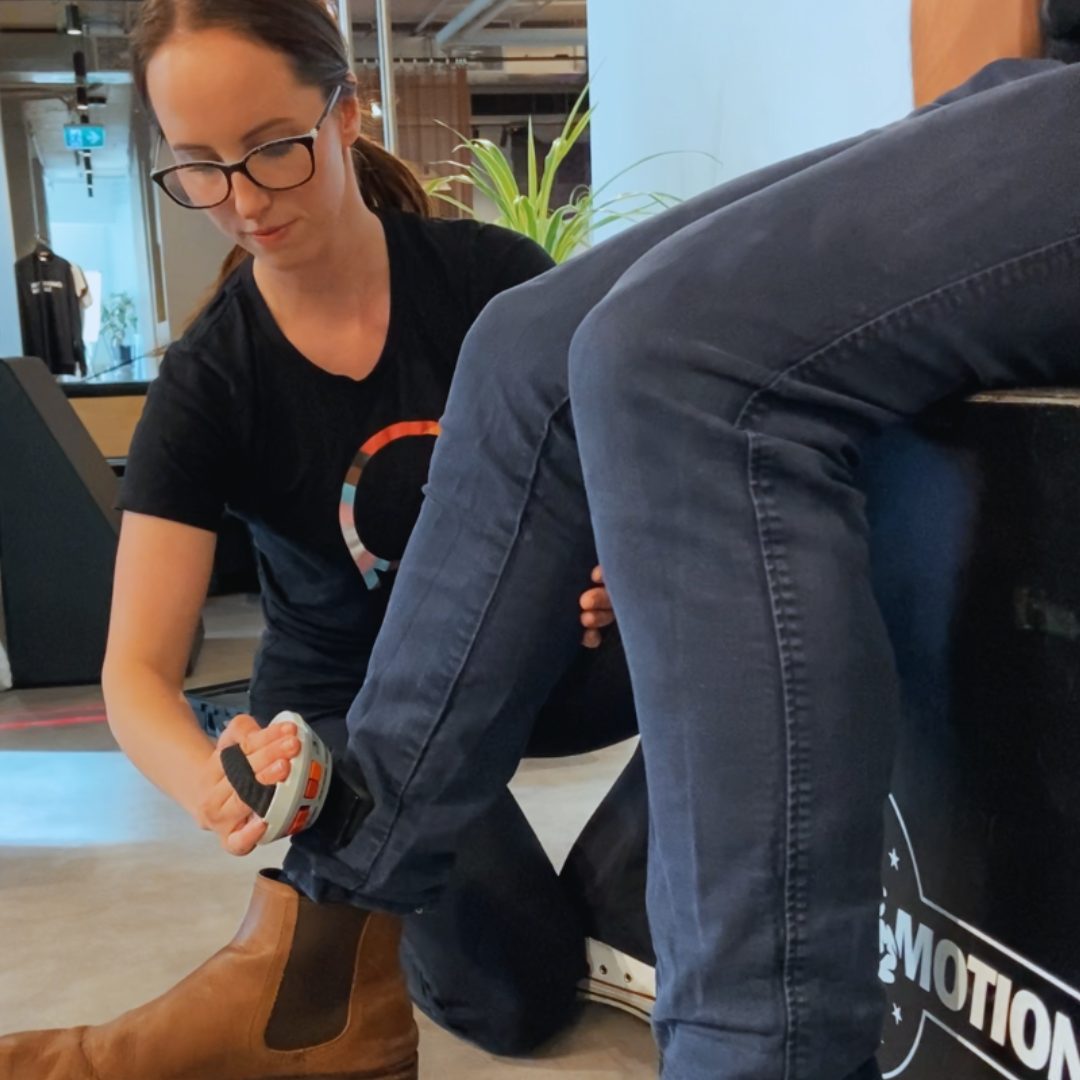
Your physio will ask you lots (lots!) of questions about you, your life, your hobbies, your general health, your exercise history, and your injury. They’ll also examine your injury and may do some tests to diagnose it. You should feel comfortable sharing any information you think will help.
A Conservative Approach
If you have months before your marathon or event, your physio won’t rush your return to running. Instead, they’ll use the time to focus on cross-training and allow your body to recover. Sometimes, even a week or two off can help.
Your physio will monitor your comfort and pain levels closely, ensuring activity is well tolerated. While it’s important to maintain fitness, you may need to temporarily reduce intensity and frequency to allow proper healing – especially for injuries like shin splints or bone stress injuries.
Clear Instructions
Your physio will guide you with specific, week-by-week instructions:
- What exercises to do (and avoid)
- Duration, intensity, and recovery periods
- Cross-training activities such as strength training, swimming, or cycling
They may also check in with you to monitor pain or discomfort after home exercises.
A Graded Rehabilitation Program
Rehab programs are structured to get progressively harder as you heal.

This could mean:
- Temporarily avoiding running and focusing on cross-training
- Or modifying your running (distance, intensity, or frequency) rather than removing it completely
The goal is to gradually rebuild your running capacity while preventing flare-ups.
Goal-Focused Progression
Most athletes want to return to running at the same (or higher) level than before their injury. Your physio might:
- Build volume first (distance you can run comfortably)
- Then reintroduce intensity (steady state runs, tempos, intervals, and hill work)
Expect walk-run intervals early on, progressing to medium-intensity runs, then higher-intensity sessions with short intervals and longer rests.
The key rule: slow and steady (eventually) wins the race.
Social Support Matters
If you’re in a running club, your physio may recommend starting in an easier group and building up gradually. This helps you stay social and connected, which is vital for mental health during rehabilitation.
Even if you’re not yet running, you can still attend club meets, volunteer, or join for post-run coffee. Staying engaged with your community is a huge part of recovery.
Teamwork With Your Physio
Rehabilitation works best when you and your physio are a team. Be open and honest about your goals, concerns, or disagreements. A good physio will always listen, adapt, and explain their reasoning.
By following this process, your physio can help you get back to running safely and confidently. Injury recovery is not just physical – it’s mental, emotional, and social too.

Book a telehealth appointment with Performance Medicine’s exercise and run coach, Dr Brea Kunstler. She can help guide your rehabilitation and even connect you with a trusted shoe provider offering 10% off the RRP of your new shoes.
Categories :
Performance Medicine