Suite 3, Ground Floor, The Gateway,
312 St Kilda Road, Southbank, VIC, 3006



Is a Posture Correcting Brace a Good Idea?
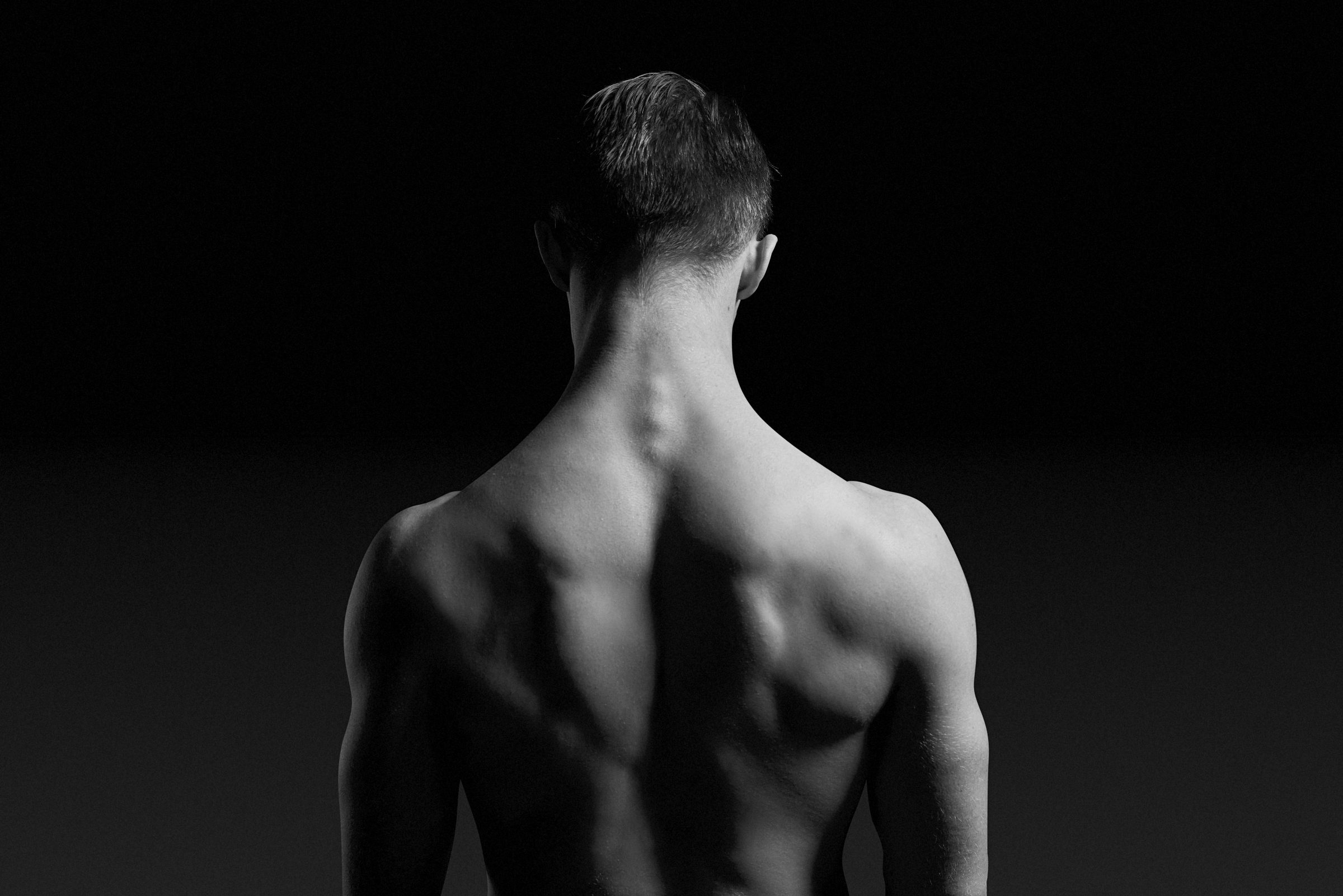
Sedentary lifestyles and office-based vocations being a common occurrence in this day and age, comes issues associated with sustained postures and corresponding injuries, aches and pains. The best posture is whichever position best serves you in any given moment. There is no perfect posture for all situations and often changing it up is better than maintaining a single position for a long time.
The best posture is your next posture.
Why Ergonomics Matter
Ergonomic work environments and opportunities to move and change posture throughout the day is paramount to improving comfort, reducing risk of posture-related injury and pain, as well as improving productivity. Researchers and manufacturers have developed ergonomic office equipment and promoted movement in workplaces and home offices.
Different Types of Posture Braces
One device that has flooded the market is the posture correcting brace. There are so many different styles and types. Often I am asked if this would be helpful in injury recovery or prevention of posture-related pain. Some are quite restrictive, holding your back straight and shoulders back while others act more to bring your attention to your posture if you are starting to move into an suboptimal position. Generally these braces can have a limited effect long term, and sometimes can be more harmful than helpful.
When Can a Posture Corrector Help?
There are a number of factors that can influence if a posture correcting brace will be beneficial or not.
Firstly it is important to explore the purpose of the brace and the problem you are having. Are you hoping to alleviate acute pain or simply improve your posture and avoid an end-of-day back-ache? It is also worth researching the different types of braces available – there are so many options! Some are designed to improve postural awareness and self-correction while others are purely designed to offload and pull your back/shoulders/neck into straighter alignment.
Designs for offloading and repositioning thoracic spine position may be more suited for short term use. If you have an acute mid back or shoulder injury, wearing a posture corrector in the short term can potentially help to hold you out of painful positions and therefore be useful in managing your pain.
This is dependant on the type of injury that has occurred though and what co-conditions are present. Restrictive bracing helps in hypermobility disorders like EDS (Ehlers Danlos Syndromes). However, experts do not recommend long-term use.
It is also worth considering the design of the brace and how much load it will transmit to the shoulders and neck. Choosing to wear such a rigid brace long-term can result in more problems than you started with.
Posture Braces vs Muscle Imbalance
Usually a suboptimal or “slumped” position is the result of a muscle imbalance (tight chest combined with weak and stretched upper back/shoulder muscles). This is common in office workers, where they sustain a static (often sitting) posture for most of their work day. In these cases a posture corrector designed to replace the job of weak muscles can potentially cause further weakness and reduced mobility as the body learns to rely on the brace. This may worsen posture problems and create over-reliance on an external device.
A brace that is designed to prompt self-correction of posture may be a better option for creating behavioural change and the posture you subconsciously adopt. When there is a muscle imbalance, an exercise program specifically targeting this imbalance is vital for improving postural endurance and making that “optimal posture” easier to obtain and sustain.
SO….. Should I use a posture corrector?
- Possibly for a short period of offload while recovering from an acute injury.
- Possibly to improve postural awareness and prompt self-correction.
- The use of a brace does not replace exercise and movement. Strengthening and mobility activities are required to counteract the underlying muscle imbalance, create long-term physical change and reduce reliance on an external device.
Main take-aways:
- The best posture is your next posture! Changing it up is better than sustaining any single position.
- Consider other interventions to minimise the effects of sustained posture.
- Move around or take a 2-minute walk every hour.
- Complete stretches throughout the day to avoid tension and pain. Don’t wait until you are already sore to stretch.
- Prioritizing time for exercise every week, preferably something with a strength and mobility focus – but most important to find something you enjoy and will stick at.
Want more information around posture, bracing or ergonomics? Book a session with one of our Physiotherapists to discuss if a posture brace (or alternatives) will work for you.
~ Nicole Reynolds
Categories :
Performance Medicine