
Suite 3, Ground Floor, The Gateway,
312 St Kilda Road, Southbank, VIC, 3006



Unlock Your Flexibility Potential — Safely
Written by APA Titled Sports and Exercise Physiotherapist Maria Anagnostou
Have you ever watched an elite dancer and wondered how their body seems to move impossibly? While their incredible range of motion is undeniable, the true secret to their breathtaking performance isn’t just their flexibility; it’s what they can do with it.
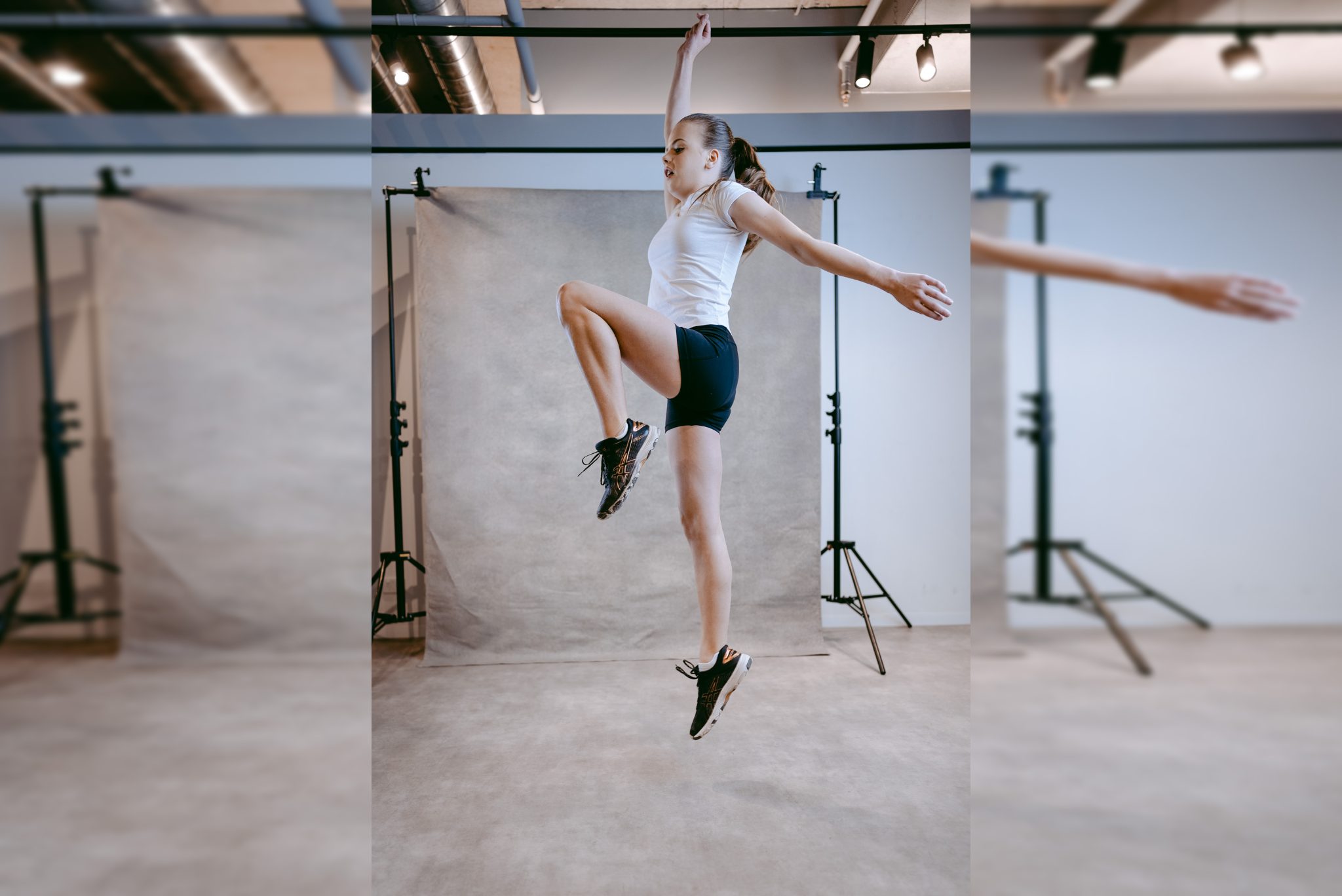
Many aim for extreme range – the ability to sit in an oversplit, for example. But the real game-changer is having access to that flexibility. This is what transforms a static pose into a fluid, expressive movement, like a controlled développé or a beautifully shaped arabesque.
Here are my top tips for safely improving your flexibility with movement control to create that “wow” factor:
1. Aim for Strength, Not Just Stretch
Passive flexibility is great, but instead of simply pushing into a deeper stretch, focus on exercises that build strength at your end range. For example, drills that move you actively in and out of a back bend with control, or lifting your leg into a kick line. This active control builds the muscle memory necessary for graceful, powerful movement.
2. Master Movement at End Range
Developing control at your maximum range requires smart, intentional training. Keep these considerations in mind:
- Avoid Speed: Sudden, abrupt movements can increase your risk of injury. Build speed and power only after you’ve mastered slow, controlled movement.
- Listen to Your Body: Your tolerance for end-range movements diminishes as your muscles fatigue. Schedule your most challenging practice for the beginning of your session when you have the energy to maintain muscular control.
- Engage Your Muscles: Actively engage your muscles to hold positions rather than “resting” into your joints or ligaments. This protects your joints and builds the strength needed for sustainable gains.
3. The “Path of Least Resistance”
Our bodies are smart – they’re designed to be efficient and will favour movements where they are strongest, familiar and most flexible. To truly improve, you need to intentionally train your body to move in new ways.
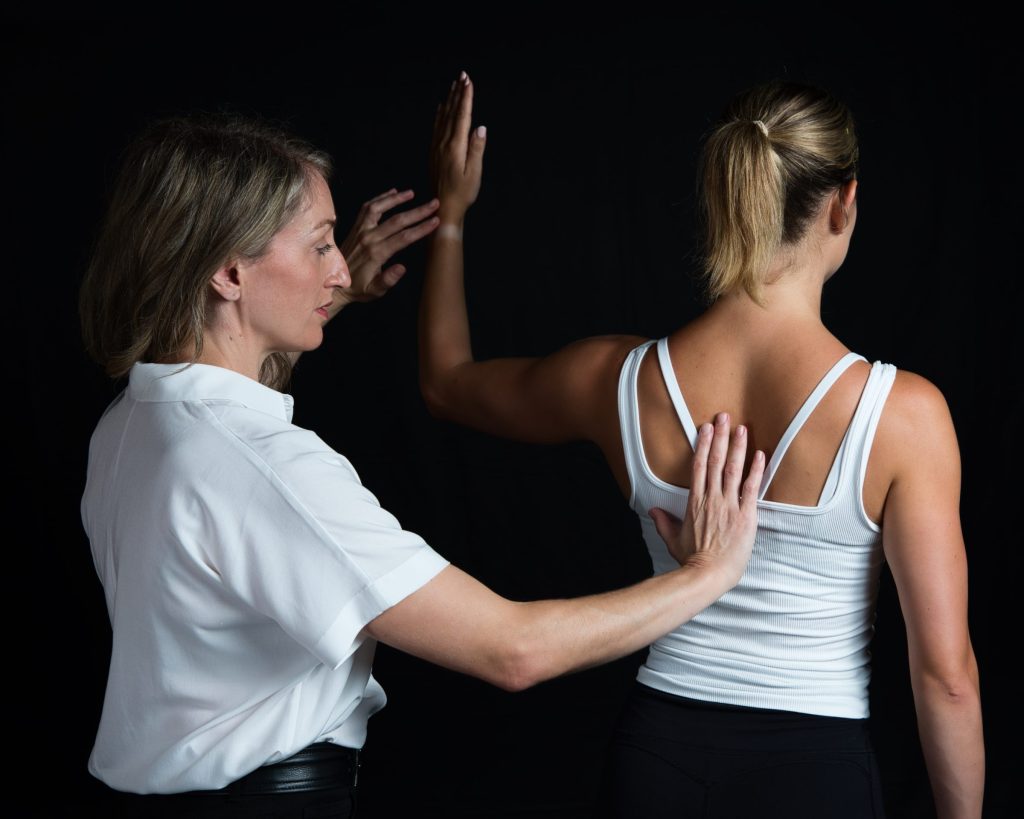
To make a change, focused effort with dedicated movement drills is key. Using feedback, whether it’s from a coach, a mirror, or a video of yourself, you can identify where you’re compensating and retrain your muscles to feel and move more effectively. By understanding your body’s tendencies and seeking expert advice, you can work smarter to move with more freedom into controlled shapes you desire. Avoiding the “path of least resistance” can unlock your true potential and help avoid tissue overload and injury.
4. Know Your Body, Know Your Limits
True progress comes from an informed approach. The first step is to educate yourself about your body’s structural limitations.
Everybody’s anatomy is beautifully different. Our unique combination of bones, cartilage, muscles, fascia, and nerves dictates our individual capacity for mobility. Not to mention, growth, injury history and more! What works for one person might not be safe or effective for another.
Working with a knowledgeable physiotherapist or coach can provide invaluable guidance to recognise what’s safe and achievable for your unique anatomy.
A knowledgeable professional can:
- Assess your unique body mechanics to identify your strengths and limitations.
- Determine if a movement is safe and achievable for your specific structure.
- Provide strategies to help you make consistent, safe improvements.
5. But what about Stretching!?
Surely stretching is necessary?
- The science on the perfect stretching “recipe” is inconclusive. Some bodies respond well to daily static stretching, while for others, it can simply maintain their current range.
- For those with less natural flexibility, static stretching may be more necessary.
- For those who are already flexible, focusing on strength training through the full range of motion is likely to be more beneficial for long-term gains.
- Dynamic stretching may be best as part of your warm-up but has not been shown to have benefits on mobility overall. Similarly, ballistic stretching has not been linked to improvements and can possibly be left out of your regimen.
6. Know What to Stretch (and What Not To)
When it comes to stretching, not all tissues are created equal. Muscles are elastic and have great potential for improved flexibility, while other tissues, like bones and ligaments, are not meant to be stretched. Knowing the difference is key to avoiding injury.
- DO: Stretch Muscles: A muscular stretch should feel like a broad, gradual sensation across the muscle belly. It might be uncomfortable, but it shouldn’t be an absolute or sharp pain. As you hold the position, you should feel a sense of “giving” that allows you to deepen the stretch progressively.
- AVOID: Stretching Tendons, Ligaments, Nerves, or Bones:
- Tendons: A limiting discomfort where the muscle connects to the bone.
- Ligaments/Joint Capsule: Discomfort felt very close to the joint itself, often with amplified soreness or ache after the stretch.
- Nerve: A “zing,” tingling, or harsh sensation that may extend beyond the zone of a single muscle. May also experience burning or pins and needles.
- Bone: A distinct, hard “end feel” with no capacity for movement, often feeling like a block or can feel like a pinch.
Ultimately, flexibility is a journey of self-awareness and discovery. By focusing on active control, respecting your body’s unique structure, and listening to its signals, you can unlock a new level of movement that is not only beautiful but also strong and safe.

Key Tips for Safe and Effective Flexibility Training:
Aim for strength and range of motion: Develop active control over your movements, not just passive flexibility. Work on movement access at the end range:
- Go slow: When exploring the end range, avoid abrupt movements if you lack strength and control.
- Timing matters: Don’t push to your extreme range when you’re fatigued.
- Engage your muscles: Avoid “resting” in your joints and ligaments.
Understand your body: Be aware of your individual limitations and work with a professional, such as a physical therapist, to create a safe and effective plan.
Ready to take control of your flexibility and move with confidence? Work with the expert team at Performance Medicine to build strength, improve mobility, and stay injury-free. Book your appointment today.
Categories :