
Suite 3, Ground Floor, The Gateway,
312 St Kilda Road, Southbank, VIC, 3006



Why Your Physio Recommends Pilates
By Stacey Kipouridis
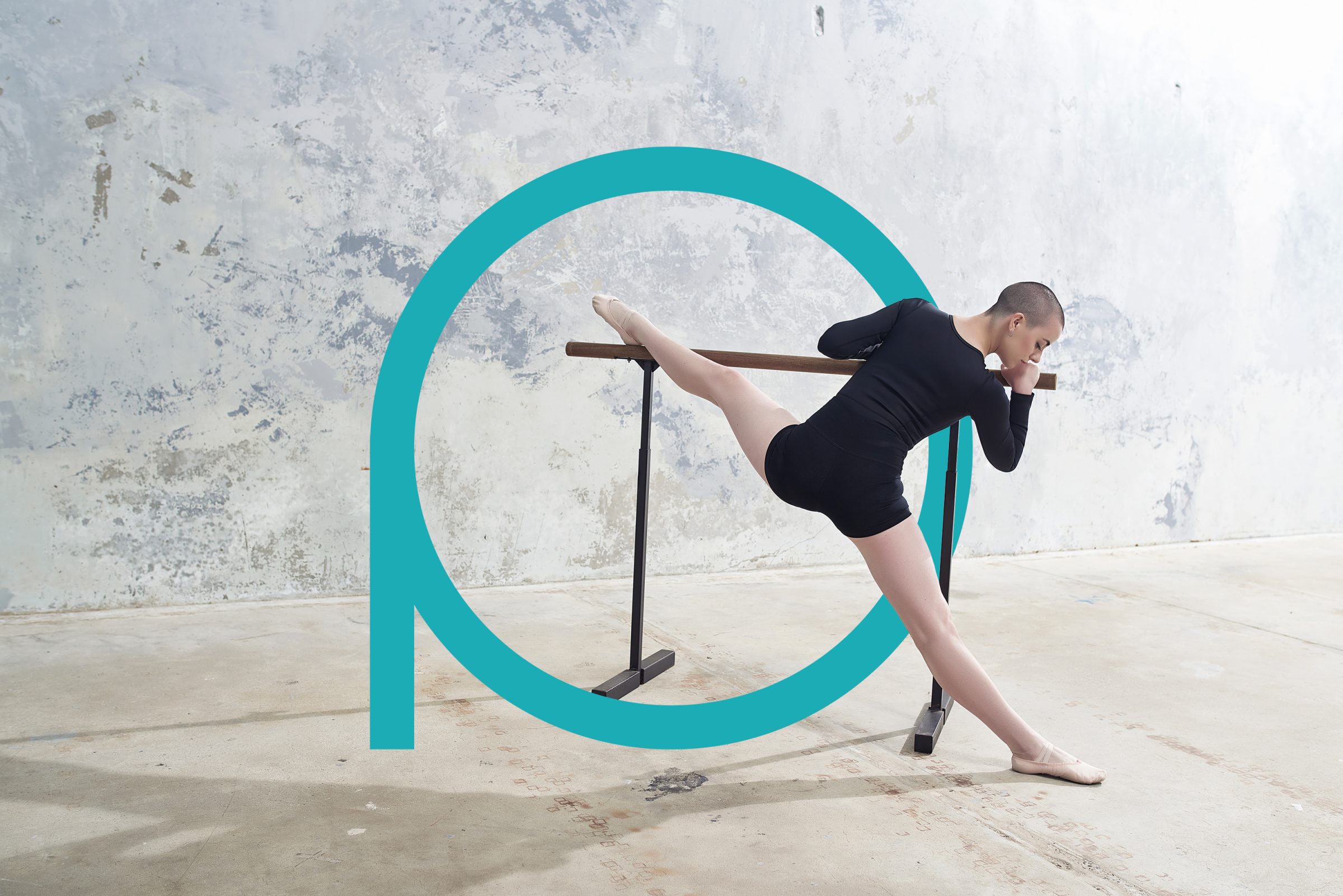
Have you wondered why your physiotherapist keeps recommending a pilates class? There’s solid science behind it. Pilates has become increasingly well-known as an exercise modality in both the fitness and rehabilitation worlds in recent years. Originally developed by Joseph Pilates, the Pilates class was first utilised by dancers seeking a low-impact exercise option that supported performance and recovery.
What makes pilates unique today? At Performance Medicine, we run ‘clinical conditioning’ classes—a physiotherapy-led approach to pilates-based rehabilitation. Unlike a standard pilates class at a fitness studio, each participant in our pilates class receives a programme tailored to their specific goals and rehabilitation needs.
Whether you’re interested in prenatal pilates, pilates for weight loss, or targeted injury prevention, our physiotherapists design every session around you.
Understanding Clinical Pilates vs. Fitness Pilates Classes
Before we explore why your physio recommends pilates, it’s important to understand the difference between clinical pilates and a fitness-based pilates class.
Clinical Pilates Class (What We Offer at Performance Medicine)
- Individualised programme tailored to your needs and recovery goals
- Small class size (maximum 4 participants), ensuring dedicated attention
- Able to claim on private health insurance
- Delivered by a qualified physiotherapist
- Ideal for injury rehabilitation, post-surgery recovery, and condition-specific management
Fitness Pilates Class (Traditional Pilates Studio Approach)
- The whole class follows the same exercises together
- Larger class sizes (typically 8–20+ participants)
- Unable to claim on private health insurance
- Usually delivered by a fitness instructor
- Ideal for general fitness, core strength, and flexibility goals
This distinction matters significantly when seeking rehabilitation support.
Why Physiotherapists Recommend Pilates
Research demonstrates that pilates has proven effective in reducing pain and increasing functional movement. Physiotherapy and pilates work exceptionally well together to target both injury prevention and active rehabilitation. This makes pilates suitable for nearly everyone-whether you’re a full-time dancer rehabbing a knee injury or a desk worker managing persistent back pain.
The modifiable nature of pilates gives us confidence that, as physiotherapists, we can ensure exercises work effectively for you. This leads to our ultimate goal: effective injury rehabilitation and prevention of future injuries.
Who Benefits Most From Pilates Classes?
Pilates for Dancers
Dancers have long understood the value of pilates. The low-impact nature combined with precise muscle activation makes pilates for dancers an ideal complement to training and injury recovery. Professional dancers recovering from injury find that a pilates class delivered by a physiotherapist accelerates rehabilitation whilst maintaining performance standards.
Prenatal Pilates
Expectant mothers can benefit significantly from gentle, supported prenatal pilates classes. These sessions address postural changes, strengthen the pelvic floor, and prepare the body for labour -all under professional guidance. A physiotherapist-led pilates class ensures safety whilst building strength during this crucial period.
Pilates for Weight Loss
Whilst pilates isn’t primarily a cardio workout, the controlled, strength-building nature of pilates classes helps build lean muscle, improve metabolic function, and support sustainable weight management when combined with a balanced lifestyle. Consistent attendance at a pilates class contributes to body composition changes over time.
General Rehabilitation and Pain Management
Whether managing chronic back pain or recovering from injury, a clinical pilates class addresses the root cause rather than just symptoms. This is where the difference between a pilates studio offering generic classes and a physiotherapy-led pilates class becomes clear.
Our Approach at Performance Medicine
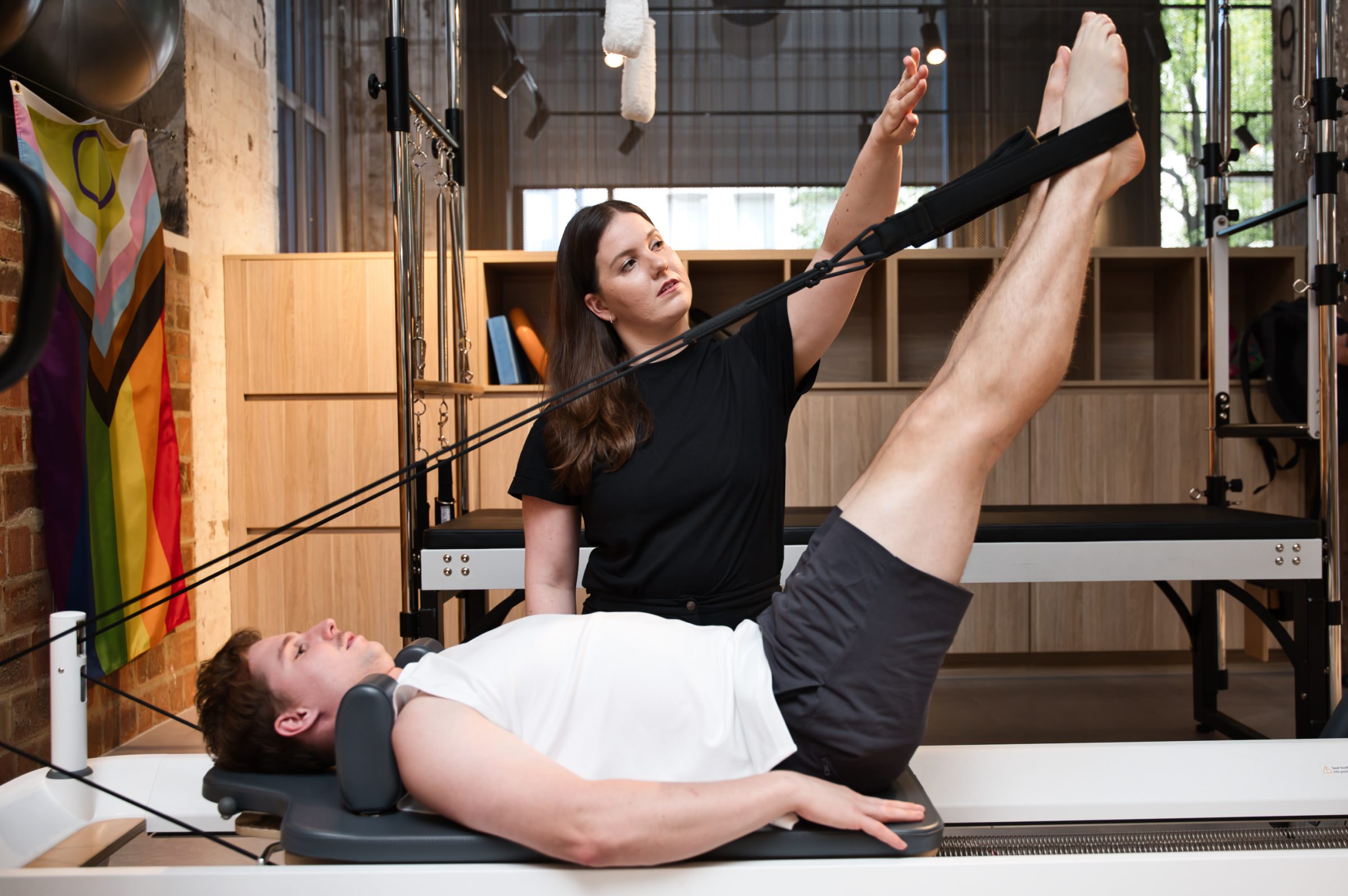
At Performance Medicine, we tailor every programme to target your specific injury or concern. Our physiotherapists remain with you throughout the pilates class, continuously checking your form and technique. This ensures you’re recruiting and activating the correct muscles.
We work with clients across Australia, whether you’re seeking pilates classes in Sydney, pilates classes in Melbourne, the principle remains the same: clinical pilates delivered by a physiotherapist ensures safe, evidence-based rehabilitation tailored to your body.
Our pilates reformer classes utilise specialised equipment to provide resistance and support. We introduce you to this equipment during your initial assessment so you can hit the ground running.
Getting Started: Your First Pilates Class with Us
Interested in joining our clinical conditioning classes? We recommend booking an appointment with one of our physiotherapists to discuss your needs. This consultation includes:
- A thorough assessment of your concerns and movement patterns
- Creation of a tailored exercise programme designed specifically for you
- Introduction to the equipment you’ll use during pilates reformer classes
- Clear explanation of how your pilates instructor (your physio) will support your recovery journey
This ensures that when you start your pilates class, you’ll have confidence and clarity around your rehabilitation goals.
Ready to Experience the Difference?
Discover why your physio recommends pilates. Contact our friendly performance medicine team to book your initial assessment. We’re here to support your rehabilitation journey.
See you in class soon! 🙂
References :
Byrnes, K., Wu, P. J., & Whillier, S. (2018). Is Pilates an effective rehabilitation tool? A systematic review. Journal of Bodywork and Movement Therapies, 22(1), 192–202.
Cuddy, P., & Gaskell, L. (2020). How do pilates-trained physiotherapists utilise and value pilates exercise for MSK conditions? A qualitative study. Musculoskeletal Care, 18(3), 315–329.
Categories :
Performance Medicine