Suite 3, Ground Floor, The Gateway,
312 St Kilda Road, Southbank, VIC, 3006



Pilates and Running: Why Is It Beneficial?
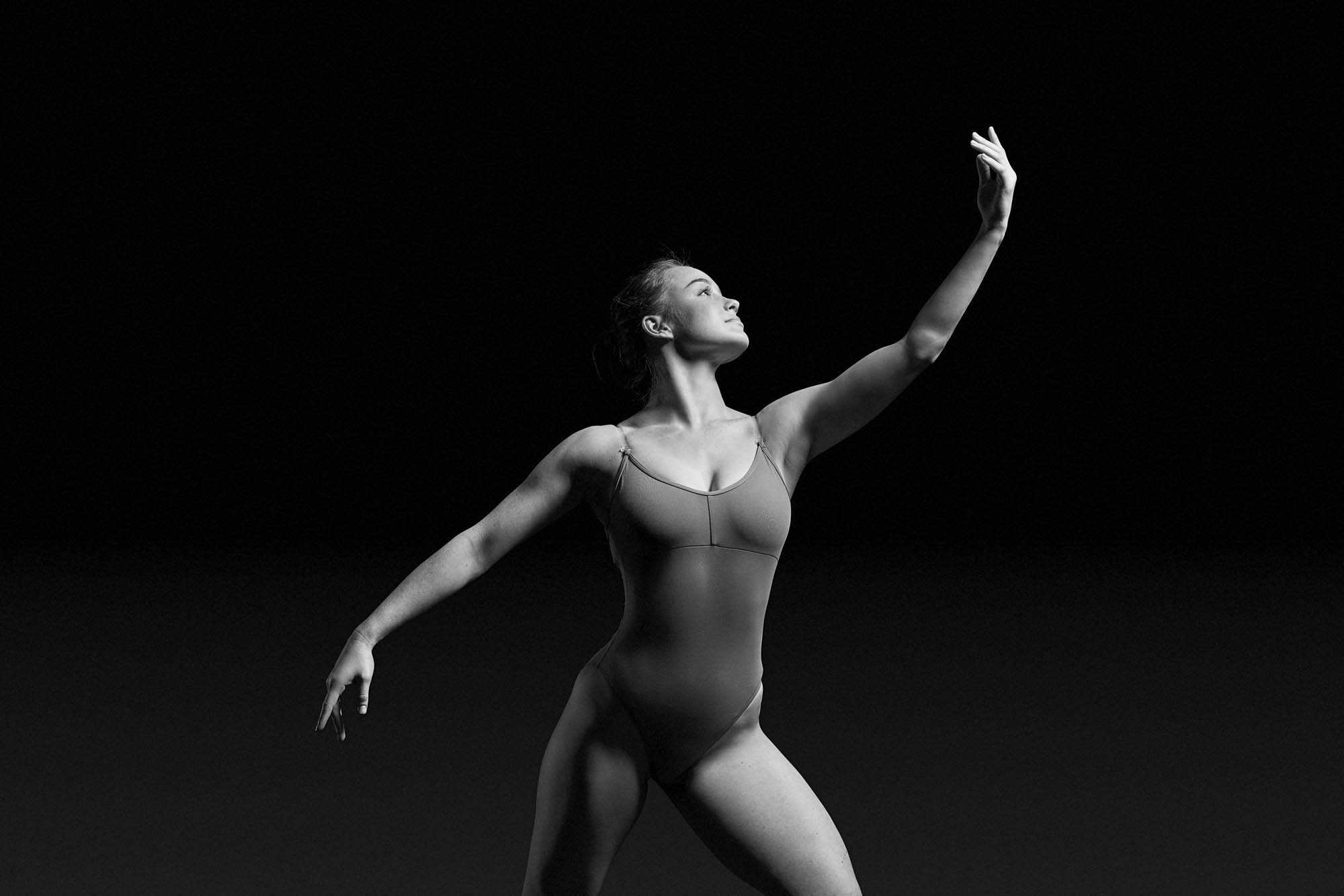
By Dr Brea Kunstler (Physiotherapist and Run Coach)
Pilates and running might sound like very different types of exercise, but when combined they can make a big difference to your performance and wellbeing. A lot of the recreational runners I speak to roll their eyes when I ask them about what exercise they do other than running. Isn’t running enough?
Sure, running is great for your cardiovascular fitness. But what about strength? I always tell people that running won’t make you strong, but you need to be strong to run well and without injury.
As a physiotherapist and run coach, I often speak with recreational runners who question whether Pilates for runners is worth the effort. While running is fantastic for cardiovascular fitness, Pilates helps build strength, control and resilience, key factors for running well and avoiding injury.
Strength Training and Running Performance
One or two strength training sessions per week can improve muscle strength and running economy. This means you get more speed or distance (depending on your goal) for the energy expended if you are strong.
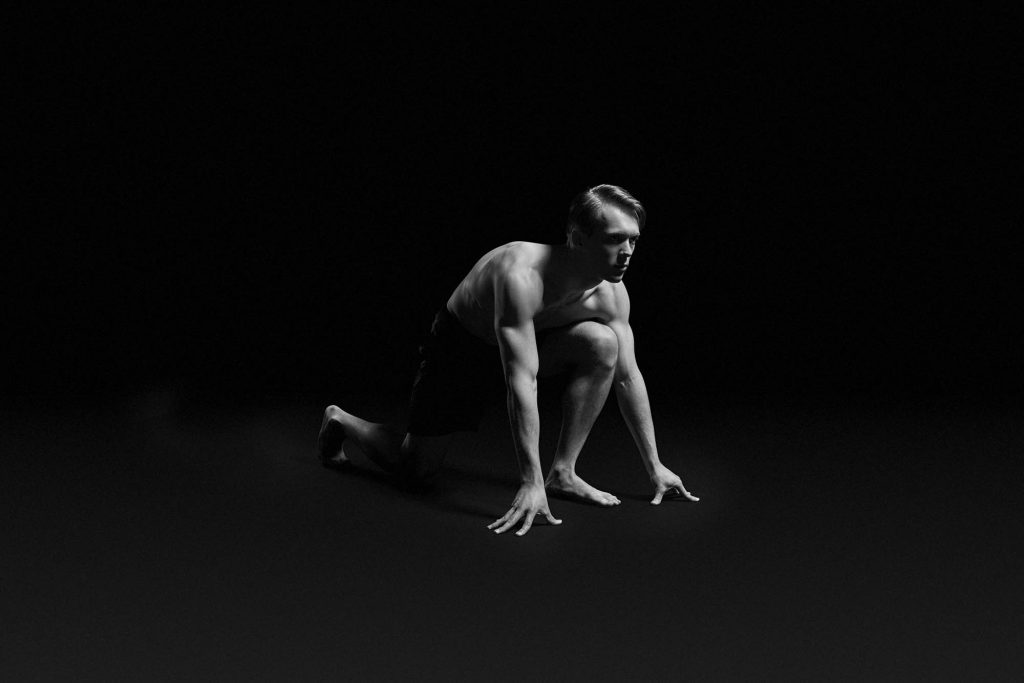
Pilates can be considered strength training and has been reported to improve 5km running times by a couple of minutes when done twice a week in addition to a running program, compared to people who just did a running program alone.
If you’re looking to break your ParkRun PB, then perhaps adding some Pilates to your training is worth it.
More Than Just Performance
Pilates has benefits that extend beyond breaking that PB.
- Low-intensity exercise – Pilates is less exerting than high-intensity activities such as running or team sports, making it suitable for people recovering from surgery, those with chronic conditions, or even elite athletes.
- Cardiorespiratory benefits – A recent review found that Pilates can improve cardiorespiratory fitness (e.g. VO2max) when performed consistently (e.g. twice per week for three months).
- Flexibility of practice – Benefits occur whether Pilates is done on a mat or with equipment (e.g. reformer), which is great for those who prefer exercising at home without investing in equipment.
Pilates for Pain and Movement
Many people participate in Pilates to improve musculoskeletal pain, such as chronic back pain.
As a clinician, I like Pilates as an option for people with pain to help them slowly return to exercise and learn safe movement patterns. The slow and controlled movements in most Pilates classes give people time to move their body in a way that feels comfortable and safe, while also learning that they can move without pain.
This approach helps retrain the brain to reduce anxiety around movement, leading to more freedom and greater functional capacity (e.g. lifting a shopping bag). Once someone is moving more comfortably, Pilates can be progressed to increase strength and reduce pain further, for both adults and children.
Pilates and Pelvic Floor Health
People of all sexes, shapes, fitness levels and ages can experience urinary and faecal incontinence. This may be:
- Secondary to chronic conditions (e.g. dementia preventing toileting behaviours).
- Temporary due to injury, surgery, or pelvic floor trauma (e.g. prostatectomy, pregnancy).
I often ask clients about incontinence, as it can significantly impact participation in activities such as running and jumping.
- Women – may experience incontinence after childbirth, during menopause, or after gynaecological or colorectal surgery.
- Men – may experience incontinence following prostate or colorectal surgery.
- People with obesity – are at higher risk due to increased strain on the pelvic floor muscles or physiological changes.
Pilates is often recommended to help the pelvic floor regain function, either by strengthening it or teaching relaxation when needed (e.g. during urination).
Final Thoughts
Pilates is a versatile exercise that can:
- Improve running performance
- Enhance cardiorespiratory fitness
- Support pain management and rehabilitation
- Assist pelvic floor function
- Provide a low-intensity training option between harder workouts
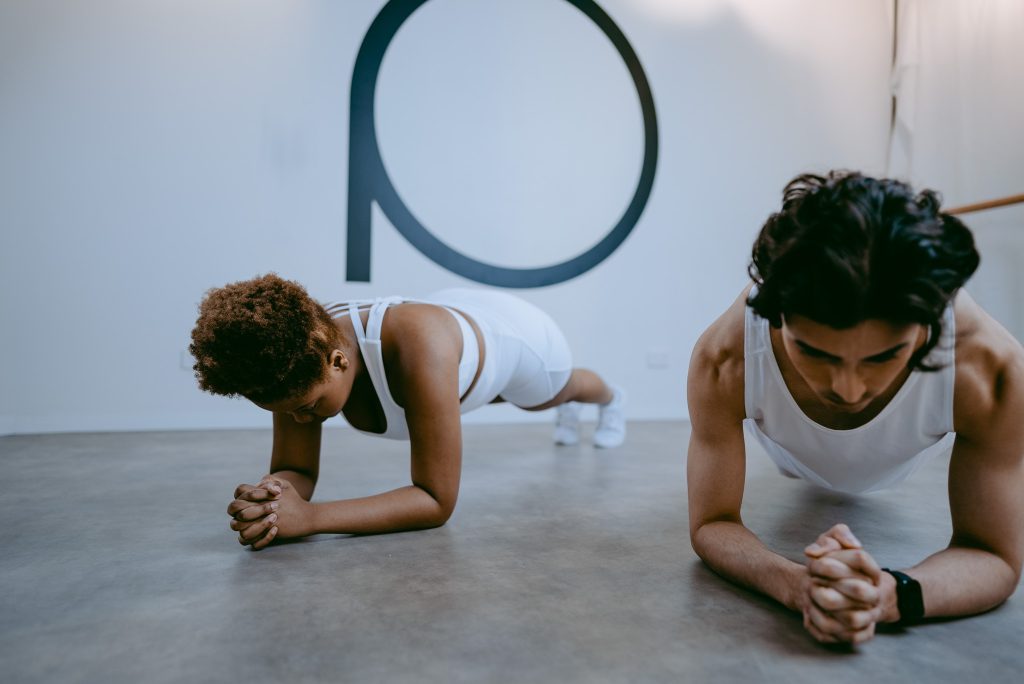
Chat with us at Performance Medicine about the different Pilates options available to you.
Need some help achieving your running goals? Book a telehealth appointment with Dr Brea Kunstler to see how she can help. She can even provide a referral to a trusted shoe provider with 10% off the RRP of your new shoes.
Categories :
Performance Medicine