Suite 3, Ground Floor, The Gateway,
312 St Kilda Road, Southbank, VIC, 3006


What is Remedial Massage? Benefits, Differences, and Techniques
What is Remedial Massage?
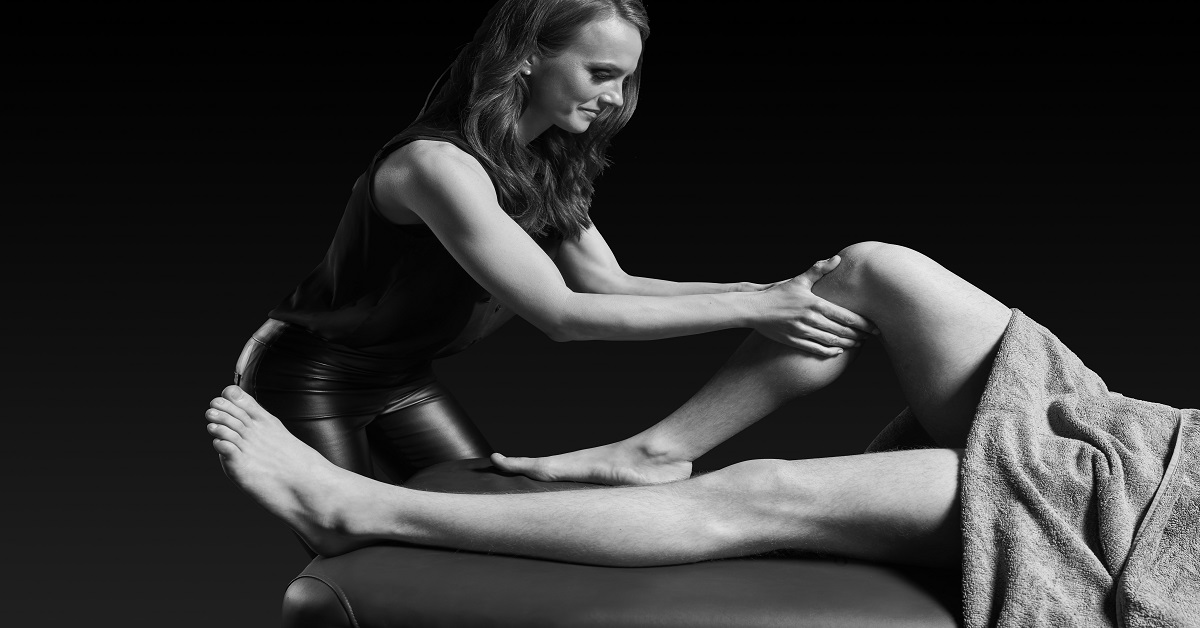
Remedial massage is the assessment and treatment of the soft tissue structures in the body, such as muscles, tendons, ligaments, and other connective tissue. It is performed in order to help the body return to its normal function after injury.
Why Choose Remedial Massage?
Whilst all types of massage may seem similar, a remedial massage therapist will conduct a thorough assessment prior to treatment to ascertain which soft tissue structures may be the source of a patient’s pain or discomfort. This results in a more targeted approach to treatment with the overall goal of alleviating/managing a patient’s symptoms.
Remedial massage therapists working in a multi-modality clinic (like Performance Medicine) are able to work closely with other practitioners in the clinic to help manage a patient’s treatment plan. At Performance Medicine this may involve referral on to physiotherapists, vocal physiotherapists, myotherapists, or sports doctors to better support their client.
Benefits of Remedial Massage
- Lengthens & balances muscle tissue by providing stretch to a target area in the muscle and fascia
- Helps promote more efficient healing after a soft tissue injury
- Improves the delivery of nutrients and healing agents to muscle tissue whilst assisting in the removal of toxins from the tissue
- Helps prevent soft tissue injury by treating soft tissues that are being overworked
- Improves whole body function through the treatment of shortened soft tissue that may cause poor posture and reduced function
What is the Difference Between Remedial and Other Types of Massage?
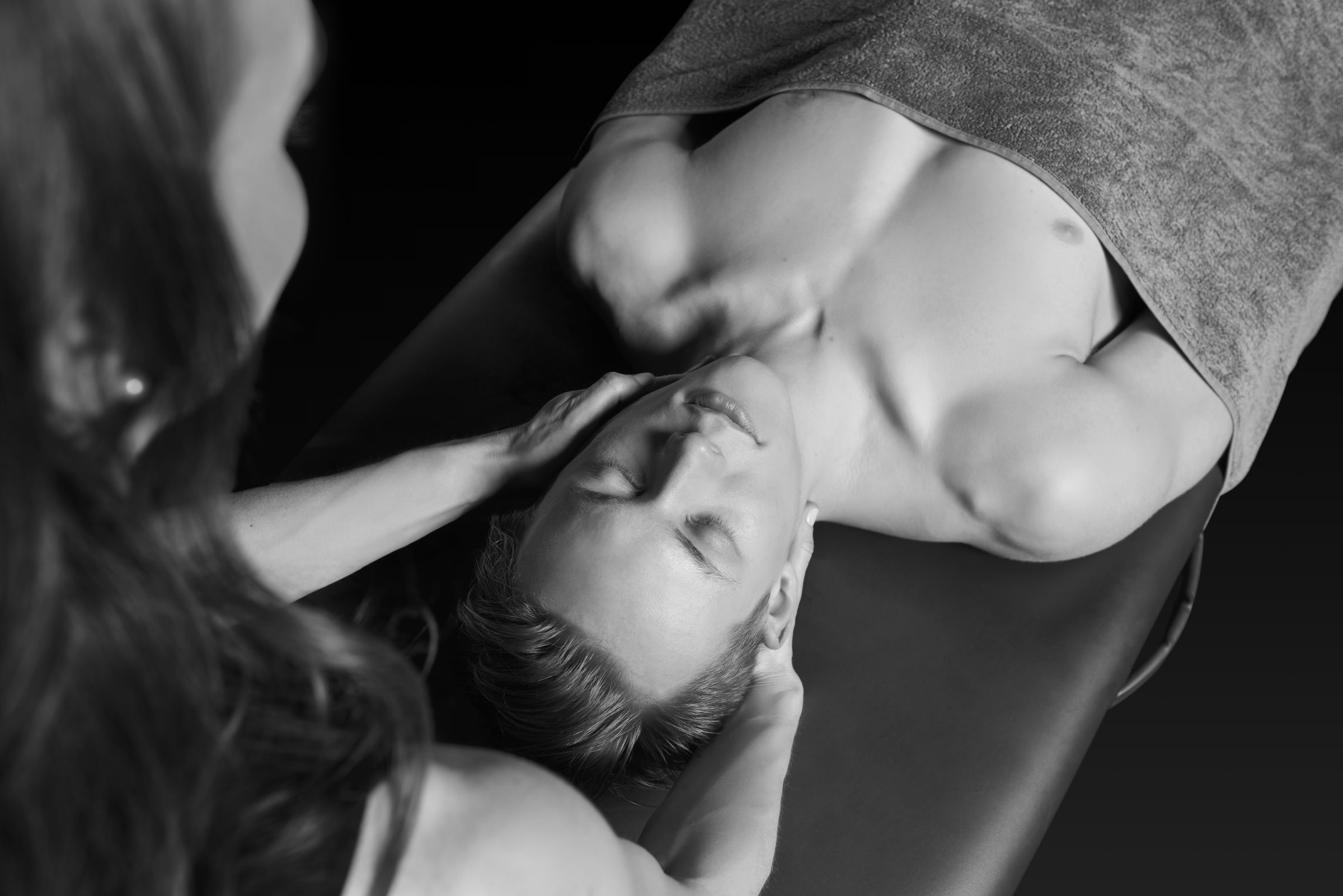
Remedial massage, sports massage, deep tissue massage, Swiss massage, relaxation massage, and the list goes on! Have you ever felt confused by all the terms used to describe a massage?! Even those of us in the industry find it overwhelming at times! Below we aim to break it down for you.
Eastern medicine follows a philosophy that regards the person as an integrated whole; physical symptoms are interpreted as reflecting an imbalance between various elements of a person. Assessment involves not only looking at an individual’s health but also their lifestyle and personality, their nature.
Western medicine regards the person as a sum of their parts: tissue types, organs, and systems (nervous system, lymphatic system, etc.). This interpretation comes from a mechanical viewpoint. In Western medicine, physical symptoms are interpreted as a breakdown or malfunction of one or more parts. Treatment in Western medicine follows a narrower path specific to the presenting pathology.
Most massage techniques in the Western world are taken from the Swedish massage school of thought. The Swedish massage technique involves long, kneading strokes combined with rhythmic tapping strokes and movement of the joints. Swedish massage can help you relax, assist post-injury, and give you more energy.
Sports massage, deep tissue massage, and relaxation massage all fall under the umbrella of “Swedish massage” and ultimately only differ depending on the speed, depth, and pressure of the technique used:
- Sports massage is usually applied with oil before vigorous activity and involves quick techniques aimed at increasing blood flow to areas of the body being treated.
- Deep tissue massage uses much slower, deeper techniques ideally performed after vigorous activity to assist with injury and recovery.
- Relaxation massage is designed to do just that. Techniques used are generally applied at a light, slow pace designed to help you switch off!
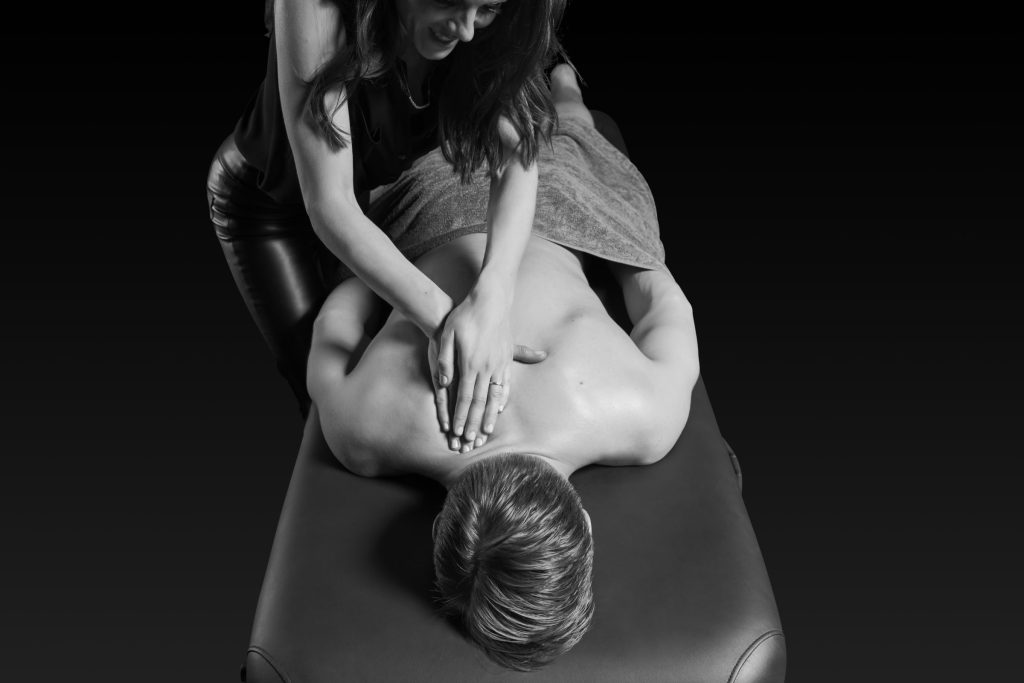
Remedial Massage Techniques
Remedial massage follows Western medicine principles and is based on the Swedish massage school of thought. Unlike other massages, your remedial massage therapist will conduct a thorough orthopaedic assessment prior to treatment to determine which structures are implicated. This ensures they are treating the root of the issue and not a generalised “all-over” treatment. Remedial massage therapists will use techniques such as deep tissue, sports, and relaxation, as well as a number of others discussed below.
Myofascial Tension Technique or Myofascial Release
Myofascial tension technique involves your therapist providing a shear force to the connective tissue or “fascia.” During this technique you should feel a comfortable amount of stretch as new collagen fibres are laid down in your connective tissue. Myofascial tension technique helps to improve the quality of your connective tissue, which can result in a reduction of pain, improved mobility, an increase in your body’s recovery process and relief from stress!
Digital Ischaemic Pressure to Myofascial Trigger Points
The science around trigger points or “knots,” has been hotly debated over the last 40 years; however, current thinking suggests trigger point pressure release, when applied correctly, can help to reduce headaches and muscle tension. It can also improve your range of motion and flexibility. During treatment your therapist may choose to use trigger point pressure release, providing sustained, gentle compression of a trigger point for up to 2 minutes. Treatment is applied to the exact location determined by your therapist through range of motion testing and palpation.
Myofascial Cupping
Dating back to around 1550 BC in Egypt and more recently, continuing from 28 AD in China, myofascial cupping has been used throughout the world to relieve various musculoskeletal symptoms. In Western massage our focus is to increase mobility and resolve mechanical dysfunction in the myofascial system. Most therapists will use a vacuum cup, which, unlike other remedial massage techniques, provides a decompressive force to the tissue.
Your therapist may provide a “dynamic” cupping technique, gliding the cup along the target tissue or they may choose to use “stationary” cupping, leaving the cup for a short period of time on target areas such as trigger points. Slight bruising may occur; however, bruising is not the goal of myofascial cupping treatment. Myofascial cupping promotes blood circulation, interrupts cross-linkages in collagen fibres (in your fascia), and stimulates inhibited neural pathways, which, in turn, can help to reduce pain.
Muscle Energy Technique
Muscle energy techniques (MET) are used by therapists to lengthen, strengthen, and improve the flexibility of muscles. During MET your remedial massage therapist will resist the target muscle while you contract and resist the therapist. The position is held for 5–7 seconds, followed by a short rest and may be repeated 2–3 times.
Above are just some of the many techniques your remedial massage therapist may use during your treatment.

Book Your Remedial Massage
Feeling like a release? Book in with one of our remedial massage therapists at Performance Medicine today!
Performance Medicine