Suite 3, Ground Floor, The Gateway,
312 St Kilda Road, Southbank, VIC, 3006



Exercising Safely and Effectively with Type 2 Diabetes Mellitus
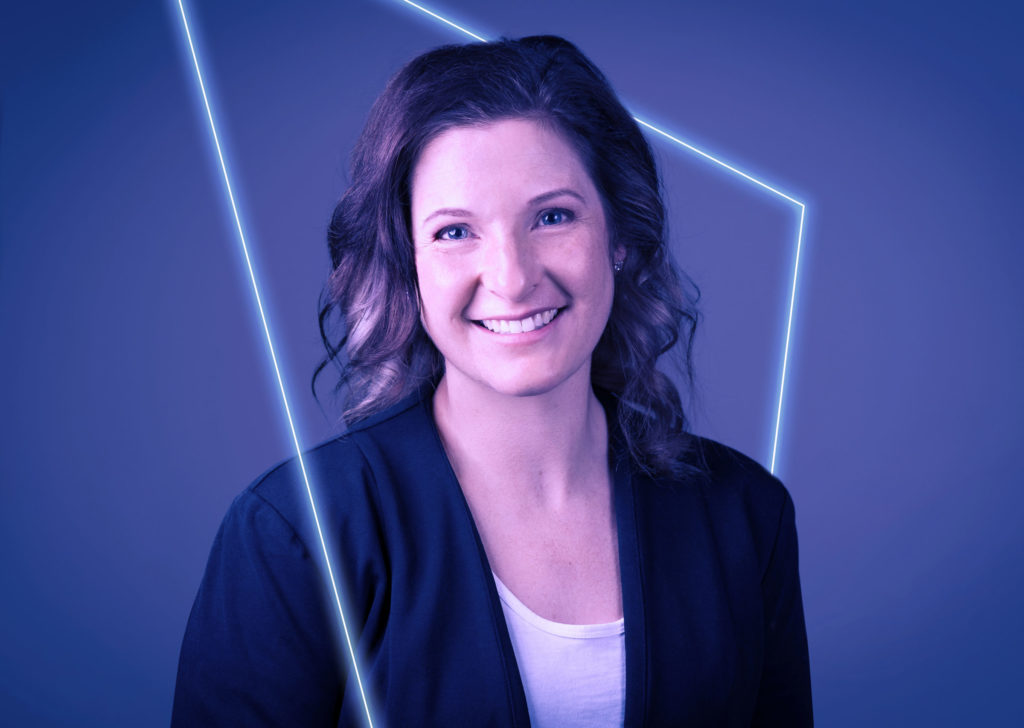
By Dr Brea Kunstler (Physiotherapist and Run Coach)
As we age, we often don’t remain as healthy as we once were — even if we eat well and stay active. Receiving a diagnosis of a chronic disease, such as Type 2 Diabetes Mellitus (T2DM), can come as a shock. You might wonder how this diagnosis will impact your daily life.
This blog post focuses on how you can safely exercise with T2DM. Exercise isn’t just a good habit for people with T2DM — it’s also considered a main treatment for the condition, alongside medications.
How Can Exercise Help Me Manage My T2DM?
People with T2DM can have difficulty managing their blood sugar levels, as sugars accumulate in the blood after eating. Normally, sugars — with the help of insulin — move to the muscles to be used, or to the liver to be stored.
However, people with T2DM often have poor insulin sensitivity, meaning the body doesn’t respond well to insulin. As a result, sugar remains floating in the blood rather than moving to the muscles and liver. This can damage blood vessels and increase the risk of cardiovascular, ocular, and neurological complications.

Poor insulin sensitivity can be triggered by excessive fat consumption and accumulation around the organs. Exercise plays a key role, alongside diet, in reducing body fat percentage and encouraging sugars to move into muscles. Thus, exercise is a vital treatment method for T2DM.
Importantly, exercise not only helps manage T2DM but also improves:
- Stress management (commonly seen in those diagnosed with chronic conditions)
- Sleep quality
- Memory and cognitive function
- Inflammation
- Blood lipid profiles and blood pressure
Therefore, exercising to manage T2DM can also help prevent or treat poor cardiovascular health.
How Much Exercise, and What Types, Should I Do?
The American College of Sports Medicine released updated exercise guidelines for people with T2DM in 2022. People with T2DM are encouraged to:
1. Break Up Sedentary Time
Move regularly throughout the day (for example, take a 5-minute walk for every 60 minutes of sitting).
2. Perform Regular Aerobic Exercise
Engage in at least 150 minutes of moderate-intensity activity (such as brisk walking) each week, spread over at least three days, with no more than two consecutive days off.
Alternatively, perform 75 minutes of vigorous exercise (like running) weekly. Choose between moderate or vigorous intensity based on your preferences and any other medical conditions.
3. Include High-Intensity Strength Training
Do 2–3 strength training sessions per week, consisting of:
- 8–10 exercises targeting major muscle groups
- 1–3 sets of 10–15 repetitions per exercise
- Sessions lasting no longer than 60 minutes
This helps muscles use sugar in the blood, preventing it from building up.
Tip: Exercising after meals can be particularly effective, as blood sugar levels are at their highest.
Ensure You Exercise Safely
It’s important not to overdo exercise and to take proper precautions.
Those who do high-intensity activities (such as running) or take insulin or other hypoglycaemic medications should review their medication dose and timing with their doctor. This helps ensure exercise and medication don’t cause dangerously low blood sugar levels.
If you take insulin, check your sugar levels before, during (every 30 minutes), and after exercise. More detailed guidance on exercising safely while taking insulin can be found with type 2 diabetes guide.
Safety and Comfort Tips
- Footwear and Clothing: Wear comfortable clothing and well-fitted shoes.
- Neuropathy: If you have peripheral neuropathy, monitor your extremities (especially your feet) for sores caused by ill-fitting shoes. Avoid high-intensity activities like running if neuropathy is severe.
- Hydration: Keep hydrated, as dehydration can disrupt sugar levels.
- Vision: If you have poor vision, use visual aids during exercise.
As with any chronic condition, check in with your doctor before starting a new exercise program to ensure it’s tailored to your needs.

Need Help Achieving Your Running Goals?
Book a telehealth appointment with Performance Medicine’s exercise and run coach, Dr Brea Kunstler, to see how she can help you achieve your goals.
She can also provide a referral to a trusted shoe provider who will give you 10% off the RRP of your new shoes.
Categories :
Performance Medicine