
Suite 3, Ground Floor, The Gateway,
312 St Kilda Road, Southbank, VIC, 3006



Dance Smarter, Not Harder: How Cross-Training and Sleep Boost Dance Performance and Prevent Injury
By Elissa Petesic | Performance Medicine
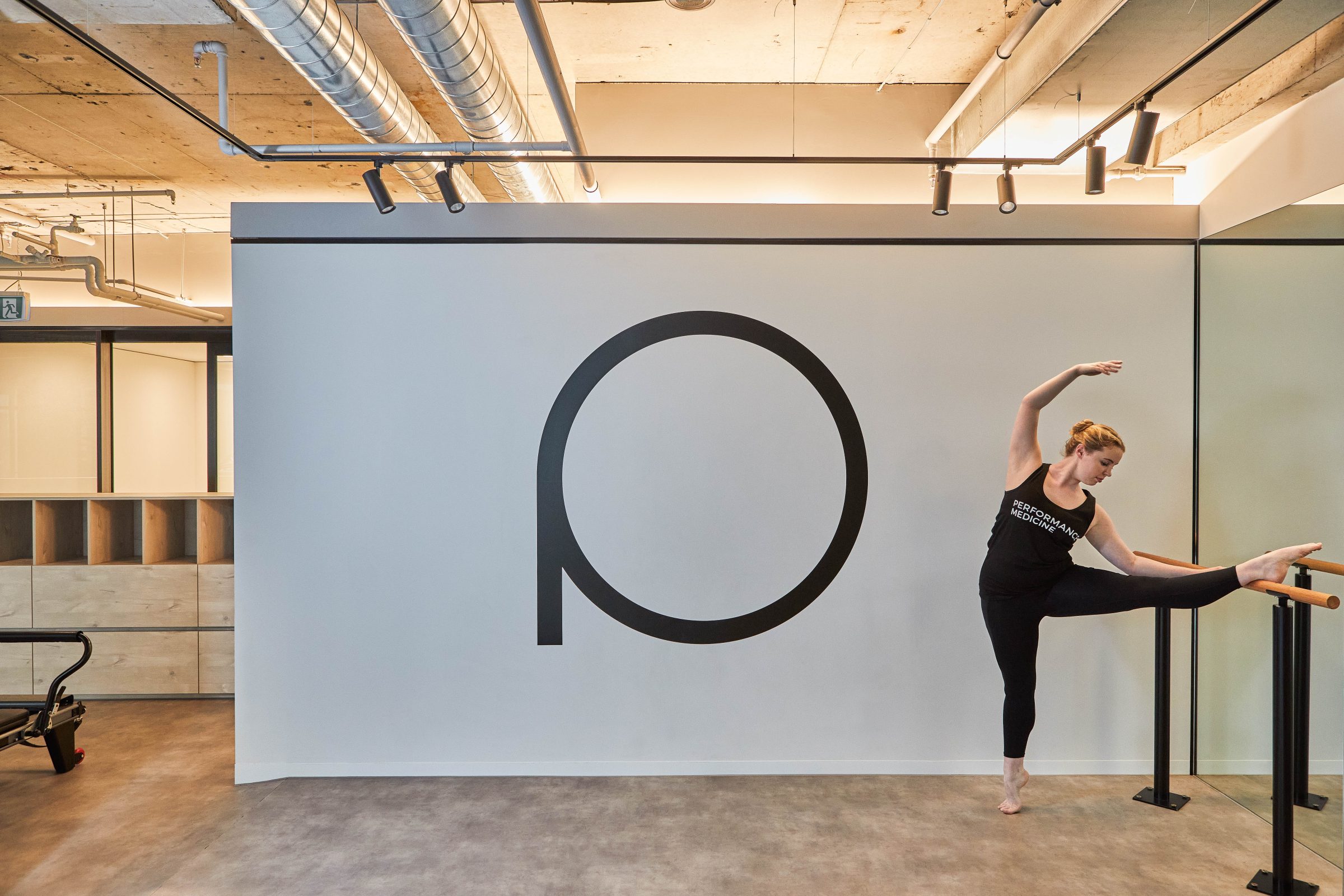
It might sound surprising, but you can become a better dancer without spending more time in the studio. Cross-training and getting enough sleep are two key ways to boost your dance performance outside of regular practice. Next time you’re tempted to run through your routine again, or add more hours to your training schedule, try adding a different type of workout or some extra rest instead. Your body and mind need time to recover and perform at their best, and balance is key to long-term success
What Is Cross-Training for Dancers?
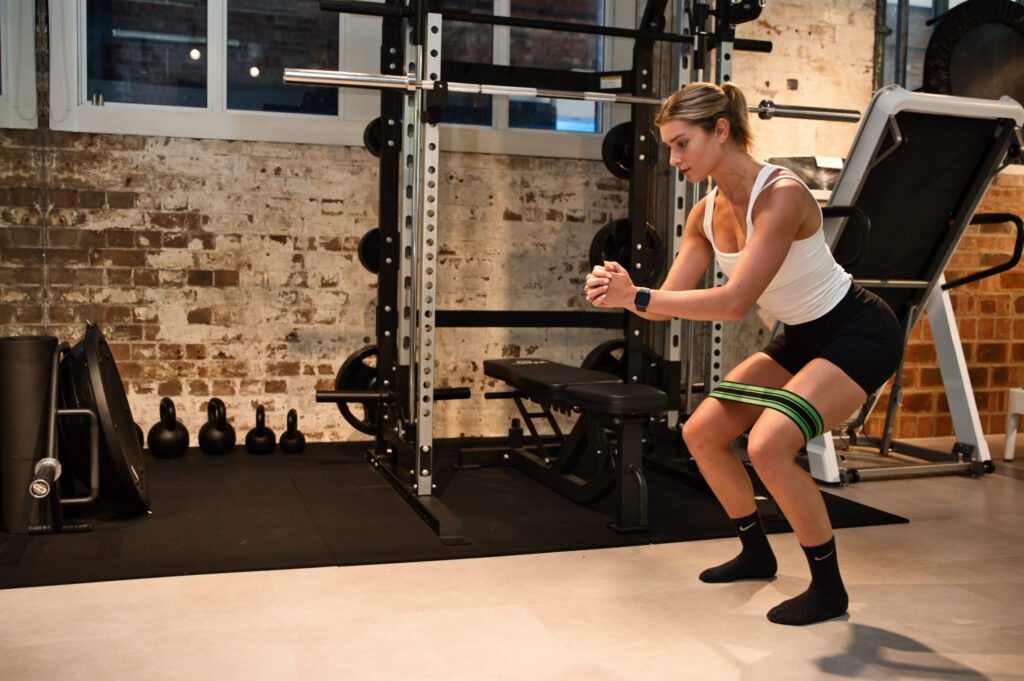
Dancers can improve their training by doing different activities that strengthen their main art form or skill. Cross-training includes exercises that build strength, flexibility, balance, and endurance, things that all help make you a better dancer. There are endless options of sports and activities that dancers can use for cross-training, such as swimming, yoga, Pilates, running, or weight training all of which can complement your dance training and make sure you perform at your best.
For example, dancers who have trained in gymnastics are able to use skills trained in gymnastics to improve their jumps, turns and extensions in dance. Activities such as surfing or skateboarding challenge your balance and can therefore help your balance and awareness when turning for dance. Using our bodies in different ways is a great way to add variety to your training and prevent injuries.
5 Key Benefits of Cross-Training for Dancers
1. Builds Muscle Balance and Strength
Dancing often requires repetition of specific movements or phrases, which can over time lead to muscle imbalances where certain muscles become stronger than others. This increases the risk of injury. Cross-training introduces new movements that target different muscles, helping to create a more even distribution of muscle bulk and strength. Strengthening muscles that aren’t heavily used in dance can support better posture, alignment, and overall efficiency of movement.
2. Improves Cardiovascular Fitness
Depending on the dance style, dance training alone may not provide the sustained cardiovascular fitness needed for endurance, especially when performing multiple routines back-to-back at an eisteddfod or for a performance. Cross-training with activities like running, cycling, or swimming can boost overall cardiovascular health and help dancers maintain stamina during long rehearsals or performances without tiring as quickly.
3. Helps Prevent Dance Injuries
Dance is a physically demanding art form with high-impact jumps, turns, and extreme ranges of movement. Cross-training helps to build joint stability and increase flexibility in ways that may not be fully addressed through dance alone, reducing the risk of overuse injuries or muscle strains. Our dance physiotherapy team at Performance Medicine in Sydney and Melbourne can help identify muscular imbalances that cross-training can directly address.
4. Supports Mental Recovery and Reduces Burnout
Constantly dancing can lead to mental fatigue and burnout. Training in other ways offers variety and can give the mind a break from the demands of dance, reducing stress and helping you feel refreshed and motivated when you are back in the studio.
5. Enhances Movement Variety and Coordination
Cross-training introduces different types of movement, which can improve coordination, agility, and overall body awareness. Activities like yoga or Pilates can also enhance a dancer’s balance, core strength, and flexibility, qualities that are essential in dance but may not be fully developed through dance alone.
Why Sleep Matters for Dance Performance
For dancers, sleep is just as important as practice and technique. It’s during sleep that the body repairs and recovers. Adequate rest helps prevent injury by allowing the body to heal from training, as well as improving our attention, ability to process information, and memory. Moreover, sleep plays a vital role in emotional regulation, ensuring dancers stay mentally sharp and emotionally resilient during rehearsals and performances.
Ensuring that you have adequate sleep is vital to improving performance. So how much sleep is enough for each age group?
How Much Sleep Do Dancers Need by Age?
- 5–13 years: 9 to 11 hours of uninterrupted sleep per night
- 14–17 years: 8 to 10 hours of uninterrupted sleep per night
- 18 years and over: 7 to 9 hours of uninterrupted sleep per night
You can see how cross-training and sleep give the body and mind a chance to reset, recover, and grow in new ways. This helps to make you a more powerful and versatile dancer when you’re in the studio.
Frequently Asked Questions About Cross-Training for Dancers
- What is the best cross-training for dancers?
The best cross-training for dancers depends on your goals, but swimming, Pilates, yoga, running, and weight training are all excellent options. They complement dance by building strength, cardiovascular fitness, and flexibility without overloading the same movement patterns used in class.
- How often should dancers cross-train?
Most dancers benefit from 1–3 cross-training sessions per week alongside their regular dance schedule. The right amount varies by age, training load, and goals; your dance physiotherapist can help you plan a balanced program.
- Can cross-training prevent dance injuries?
Yes. Cross-training helps address muscle imbalances, improve joint stability, and build overall body strength – all of which reduce the risk of common dance injuries. A Dance Physiotherapy Assessment can identify which cross-training activities will benefit you most. - Why is sleep important for dancers?
Sleep is when the body repairs muscles, consolidates movement memory, and restores mental focus. Insufficient sleep increases injury risk, reduces coordination, and impairs the emotional resilience needed for performance. Adequate sleep is one of the most important and often overlooked tools in a dancer’s training toolkit.
Get Expert Advice From a Dance Physiotherapist
If you need help identifying physical skills that could benefit from cross-training, speak with your dance teacher or a dance physiotherapist. A Dance Assessment with a Dance Physiotherapist will help to identify any muscular imbalances or areas that would benefit from further strengthening.
The team at Performance Medicine in Sydney and Melbourne are here to help you become the best dancer that you can be and find your exceptional. Book your appointment online today.
References:
1 Ahearn, E. L., Greene, A., & Lasner, A. (2018). Some Effects of Supplemental Pilates Training on the Posture, Strength, and Flexibility of Dancers 17 to 22 Years of Age. Journal of Dance Medicine & Science, 22(4), 192–202. https://doi.org/10.12678/1089-313x.22.4.192
2 Arbinaga, F. (2018). Self-Reported Perceptions of Sleep Quality and Resilience Among Dance Students. Perceptual and Motor Skills, 129(2), 351–368. https://doi.org/10.1177/0031512518757352
3 Australian 24-Hour Movement Guidelines for Children (5–12 years) and Young People (13–17 years): An Integration of Physical Activity, Sedentary Behaviour and Sleep. (n.d.). Australian Government Department of Health. https://www.health.gov.au/sites/default/files/documents/2021/03/australian-24-hour-movement-guidelines.pdf
4 Hutchinson, B., & Gorrell, L. (2021, November). Sleep problems as a risk factor for chronic conditions. In Focus – Australian Institute of Health and Welfare. https://www.aihw.gov.au/getmedia/7e520067-05f1-4160-a38f-520bac8fc9a/aihw-phe-296.pdf.aspx
5 Backiev, L., Bastepe-Gray, S., Mueller, D., Watson, M., & Chiang, C., Emam, M., & Lasner, A. (2024). Updates in Performing Arts Medicine: A Clinical Overview for Instrumental Musicians and Dancers. Current Physical Medicine and Rehabilitation Reports, 12, 1–11. https://doi.org/10.1007/s40141-024-00450-w
Categories :