
Suite 3, Ground Floor, The Gateway,
312 St Kilda Road, Southbank, VIC, 3006



Exercise and Pregnancy: Safe Physiotherapy-Led Strengthening Before and After Birth
By Rhea Torres
Exercising During and After Pregnancy
Exercising during and after pregnancy is not only safe but also highly encouraged. With so much information available, it can feel overwhelming knowing where to begin. While physical changes such as a growing belly are obvious, your muscles are working quietly in the background, adapting to support both you and your baby throughout pregnancy and beyond.
With the right guidance from a physiotherapist, exercise can help you stay strong, comfortable, and confident during every stage of pregnancy.
Understanding the Pelvic Floor During Pregnancy
The pelvic floor is a sheet of muscle at the base of the pelvis that supports the uterus, baby, bladder, and bowel. Its role is to hold everything within the abdominal and pelvic cavities in place.
As your baby grows and becomes heavier, your internal organs shift and the load placed on the pelvic floor increases. This can lead to symptoms such as:
- Pelvic floor discomfort
- Pelvic or abdominal pressure
- Urinary incontinence
While incontinence is common during pregnancy, it is not considered normal, and there are steps you can take to reduce its impact.
Because the pelvic floor is a muscle group, it can be trained and strengthened. Targeted pelvic health physiotherapy can help improve bladder control, provide better support for the growing baby, reduce labour time, and lower the risk of perineal tears. Pelvic floor muscles can be trained directly through specific exercises and indirectly through functional strength movements.
Abdominal (Core) Muscles and Pregnancy
Your abdominal muscles, often referred to as your core, act as a central support system for your body. During pregnancy, these muscles stretch and lengthen to accommodate your growing baby, which can lead to feelings of weakness both during and after pregnancy.
There is a common misconception that sit-ups are the best way to strengthen the core. However, with a growing belly, lying on your back, and postnatal recovery, sit-ups can be uncomfortable and ineffective.
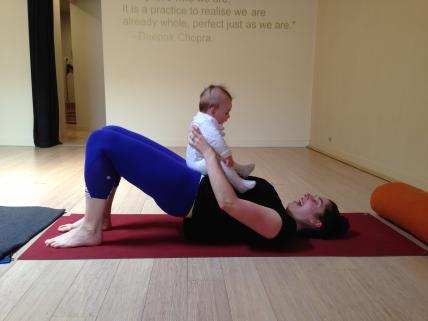
Fortunately, physiotherapy-guided exercises can strengthen your abdominal muscles in positions such as standing, sitting, and kneeling. These exercises often engage both the core and pelvic floor at the same time and can be safely modified by a physiotherapist to suit each stage of pregnancy.
Strengthening the Rest of the Body
The pelvic floor and core are important, but they are not the only muscle groups to focus on during pregnancy. Preparing your body for motherhood also means strengthening the muscles that will support daily activities after birth.
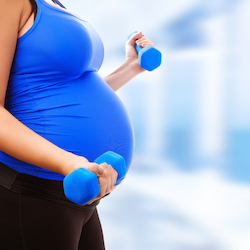
Your arms and legs will adapt to new demands such as lifting, carrying, and holding your baby. Building strength does not require complex equipment or gym routines. Simple additions like squats or bicep curls using household items such as water bottles can help build functional strength. These movements can also be paired with core and pelvic floor exercises for a more complete workout.
What Is the Best Exercise During Pregnancy?
The best exercise is one that works for you, feels comfortable, and is safe. Consistency matters more than intensity.
A physiotherapist can prescribe a safe and effective exercise program tailored to your body, stage of pregnancy, and individual needs. If something does not feel right, exercises can be modified to ensure you continue building strength in a comfortable and supported way.
If you are unsure where to start, seeking guidance from a women’s health or pelvic health physiotherapist can help you exercise with confidence throughout pregnancy and into postnatal recovery. Our physiotherapy clinics in Sydney and Melbourne support women through pregnancy, birth, and postnatal recovery.
Performance Medicine