Suite 3, Ground Floor, The Gateway,
312 St Kilda Road, Southbank, VIC, 3006



Swelling And Lymphatic Disorder
Swelling and lymphatic disorders are characterised by a defect or compromised lymphatic system that causes limb swelling. Impaired uptake and transport of lymphatic fluid through lymphatic vessels causes accumulation of fluid, which leads to prolonged swelling of the limb. Primary lymphoedema often presents at birth or without known trauma to the lymphatic system. Secondary lymphoedema presents after damage or trauma to the lymphatic system (eg. lymph node removal), after an injury or surgery (eg. stubborn fluid build up during post-surgical recovery), or can be a symptom of an illness.
- Upper Limb Oedema
- Lower Limb Oedema
Lymphoedema is characterised by a compromised or a defect in the lymphatic system that causes limb swelling. Impaired uptake and transport of lymphatic fluid through lymphatic vessels causes accumulation of fluid, which leads to prolonged swelling of the limb. Primary lymphoedema often presents at birth or without known trauma to the lymphatic system. Secondary lymphoedema presents after damage or trauma to the lymphatic system (eg. lymph node removal), after an injury or surgery (eg. stubborn fluid build up during post-surgical recovery), or can be a symptom of an illness.
Upper Limb Oedema
Swelling in the upper limbs can significantly affect movement and comfort.
Primary lymphoedema often appears at birth, while secondary lymphoedema typically arises after surgery, injury, or lymph node removal. In both cases, the lymphatic system struggles to function, resulting in fluid buildup.
Primary Upper Limb Oedema
Patients often develop primary upper limb oedema after undergoing axillary node removal, which reduces lymphatic efficiency. This procedure is frequently part of a mastectomy.
Secondary Upper Limb Oedema
Secondary upper limb swelling usually occurs in areas of local inflammation. For instance, it may follow shoulder surgery or develop due to infections like cellulitis.
Lower Limb Oedema
Much like upper limb oedema, lower limb swelling and lymphatic disorders are categorised as primary or secondary.
Primary Lower Limb Oedema
Primary Lower Limb Oedema is the most commonly diagnosed form of lymphoedema. It occurs when the body’s own lymphatic system is compromised within.
Secondary Lower Limb Oedema
Secondary Lower Limb Edema may present over an area of local inflammation (e.g. after an ankle or knee injury).
If left untreated, lower limb oedema can cause discomfort, skin changes, and reduced mobility.
Treatment for Oedema
At Performance Medicine, our practitioners may utilise a treatment modality called Manual Lymphatic Drainage (MLD). Most commonly, MLD can be utilised to move stubborn swelling and fluid build-up when:
- Recovering from surgery or injury where there is large volume of swelling
- Lymphoedema (Primary & Secondary)
- Lymph system dysfunction/trauma (eg. lymph node removal)
- Infection recovery (eg. sinusitis)
MLD is an effective and non-invasive way to improve symptoms of swelling and lymphatic disorders.
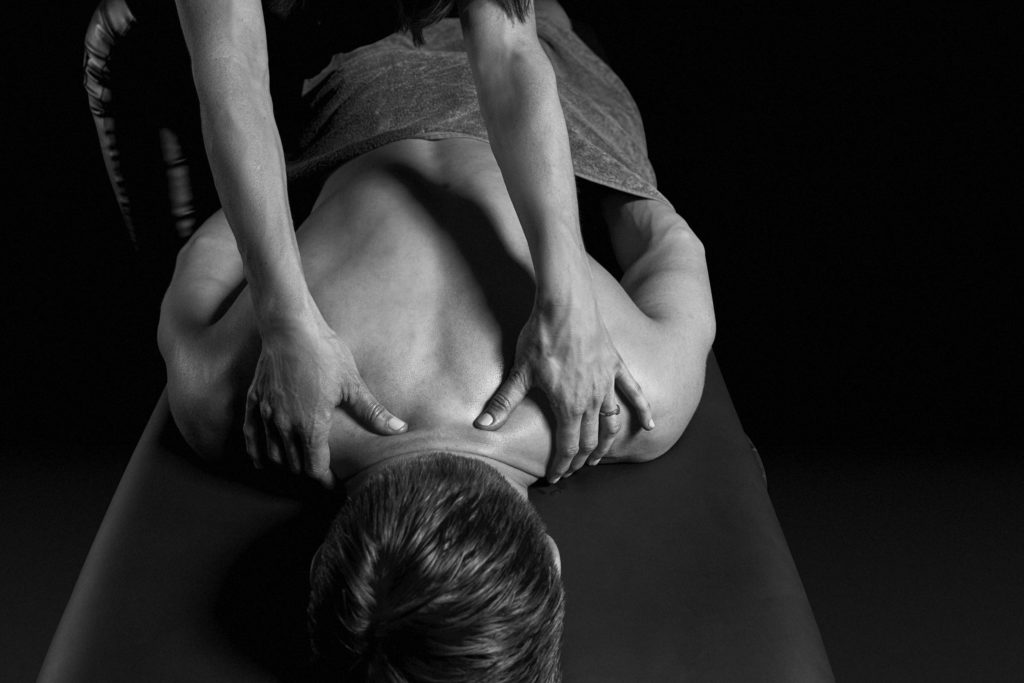
It is a type of gentle massage that aims to assist the lymph system in the drainage of lymph – the fluid that carries waste products away from your tissue for processing. MLD uses rhythmic circular or pump-like movements to stimulate lymph flow.
Related Practitioners

Vicente Roldán (he/him)
Remedial Massage - Licentiate in Physical Therapy (PUC Chile). Remedial Massage Therapist